





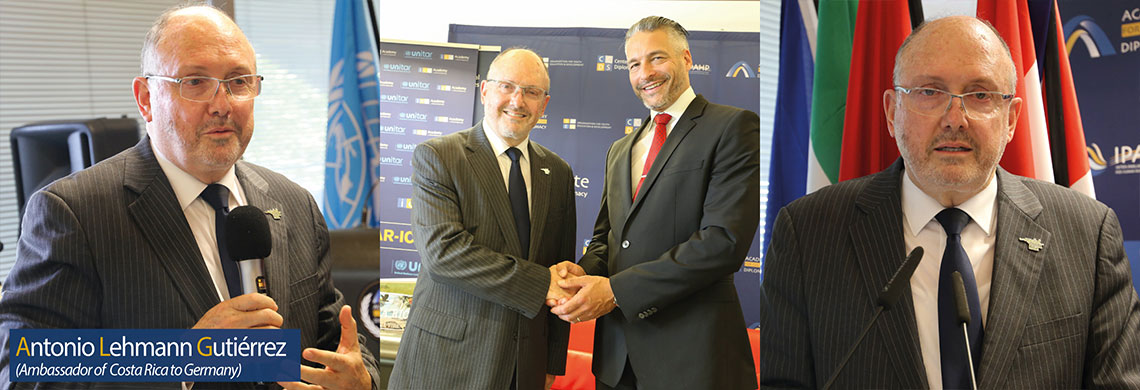
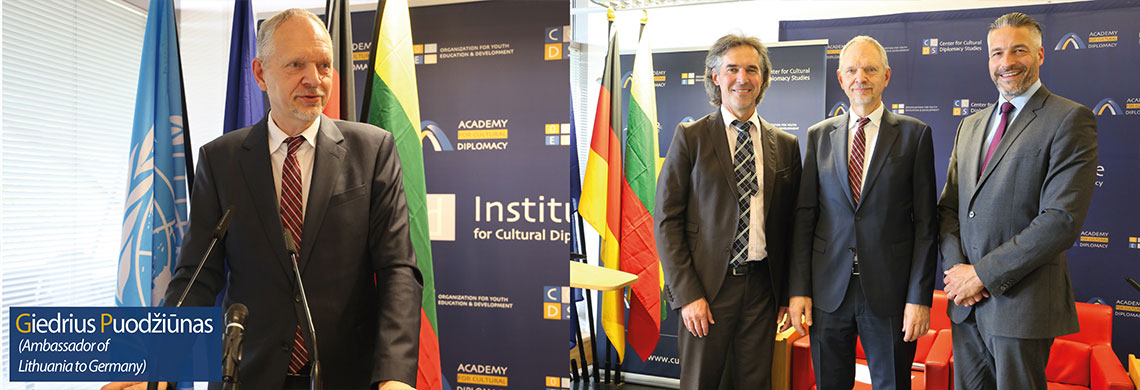
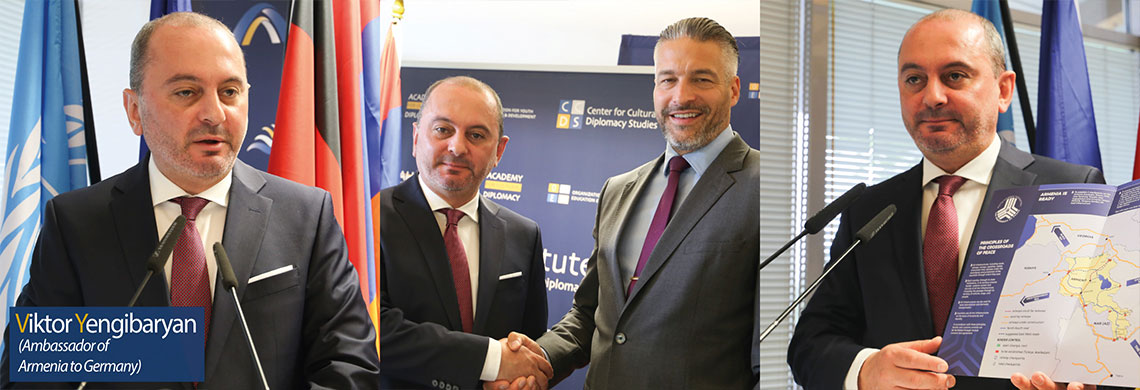
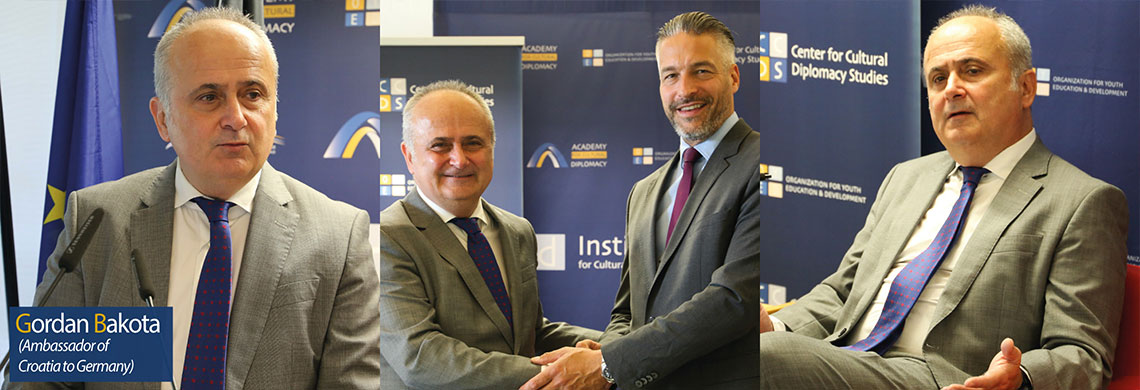











Berlin International Economics Congress 2012
"Building Economic Bridges: Integrating Cultural Diplomacy into Nation Branding, Corporate Social Responsibility and Global Governance"
Held Parallel to the Berlin International Tourism Trade Fair



Congress Overview
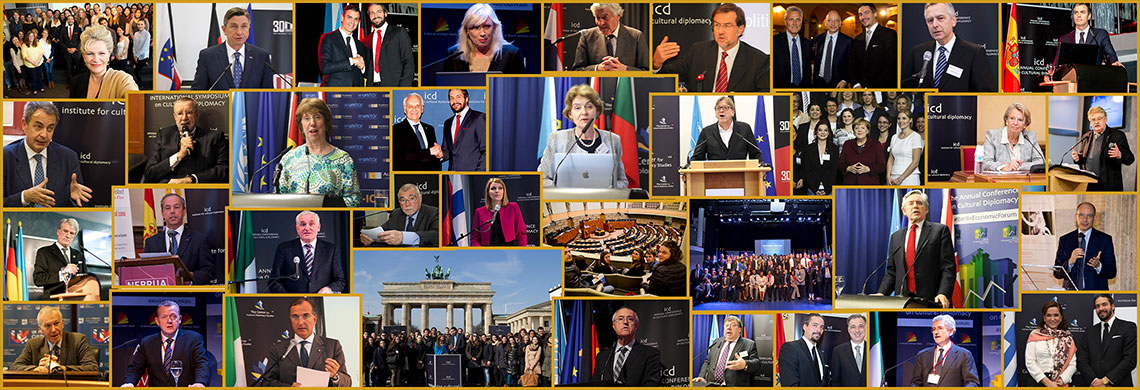
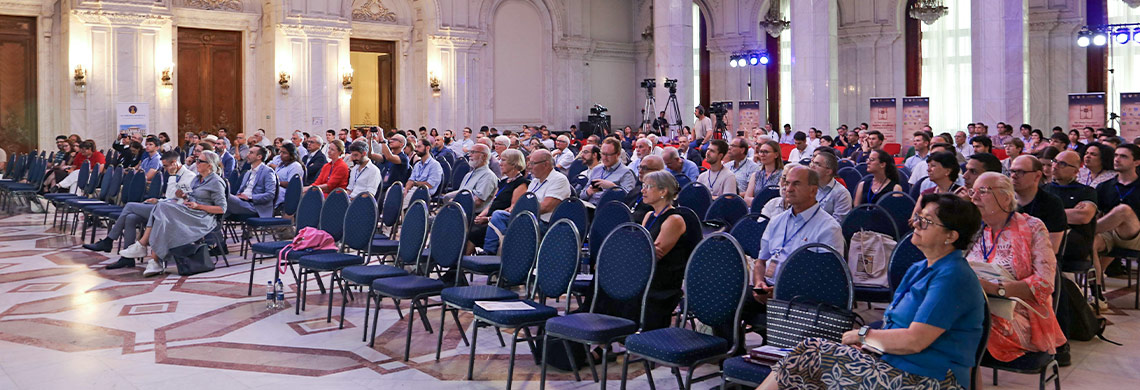
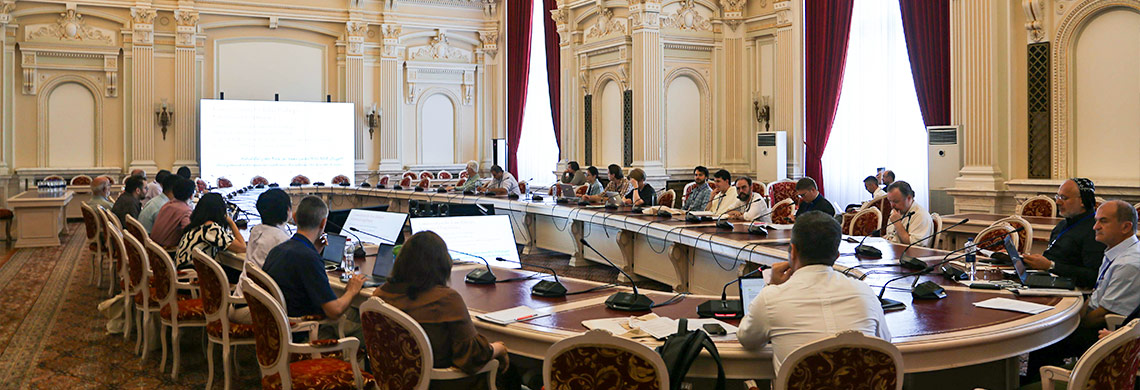
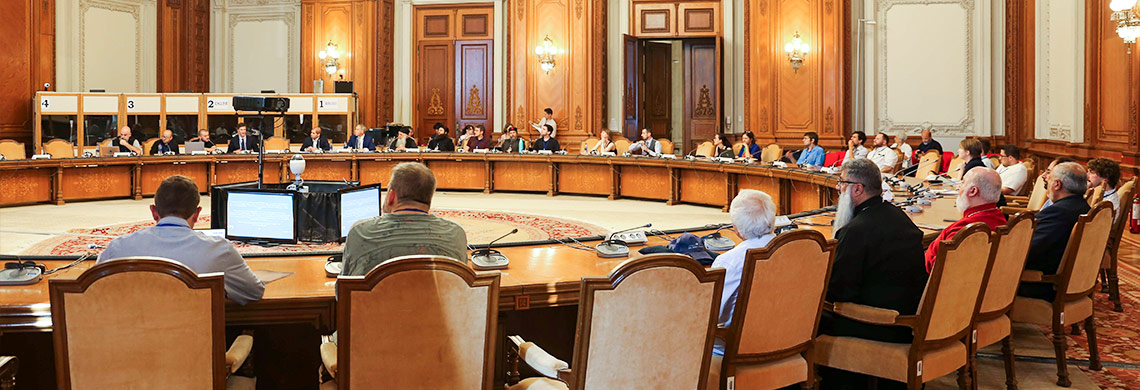
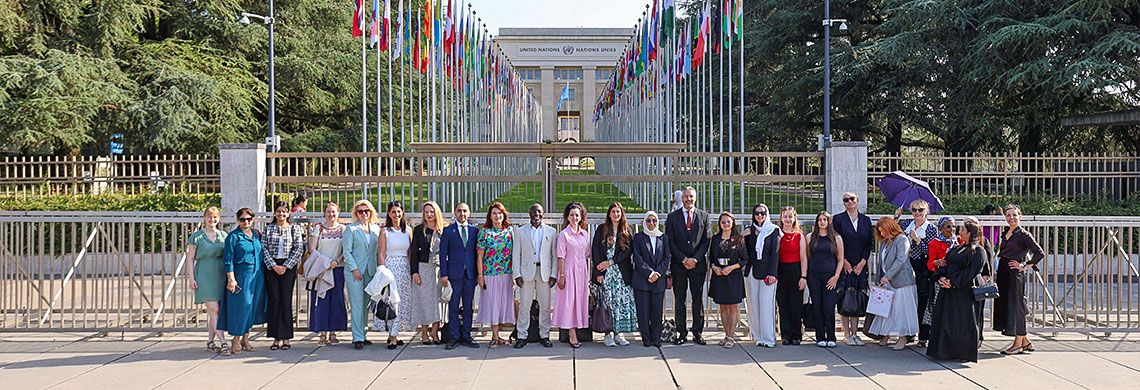
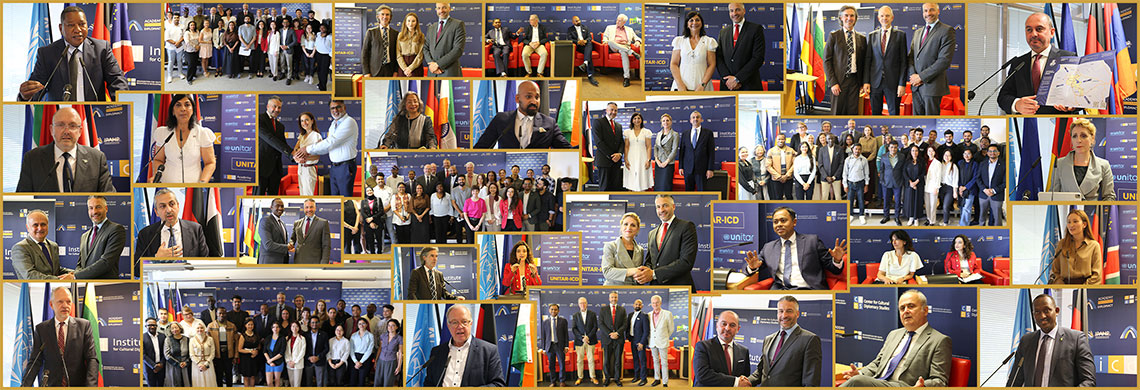
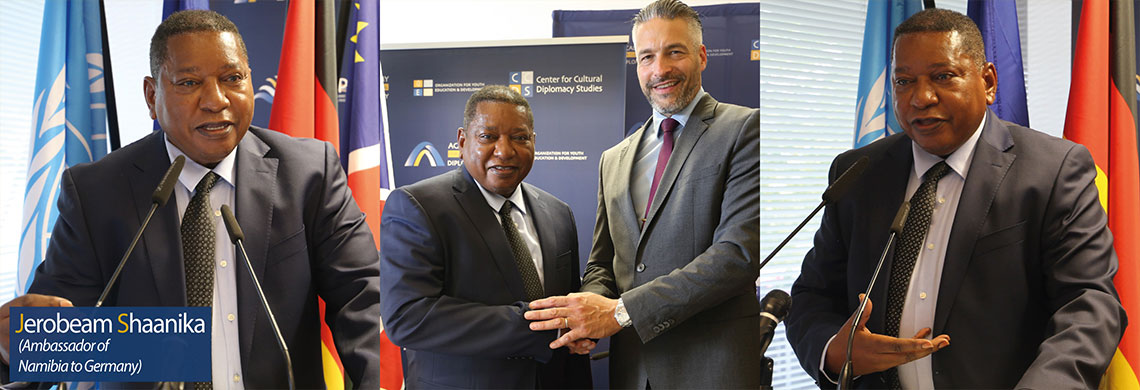
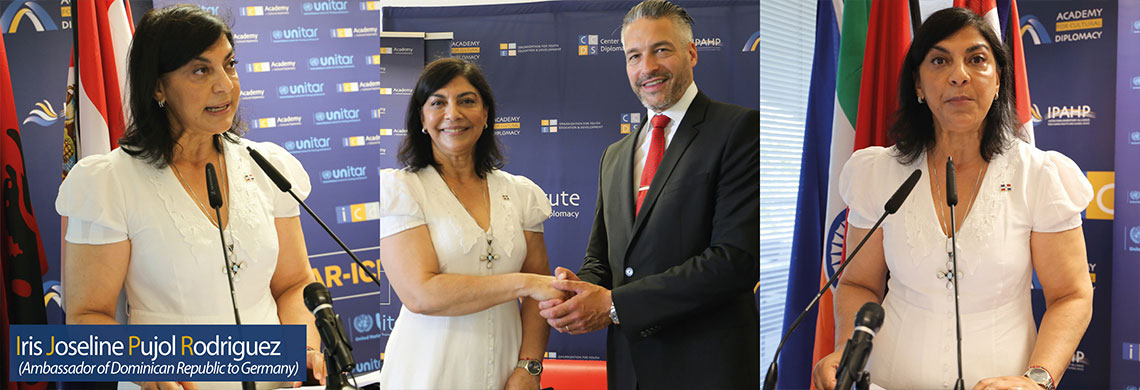
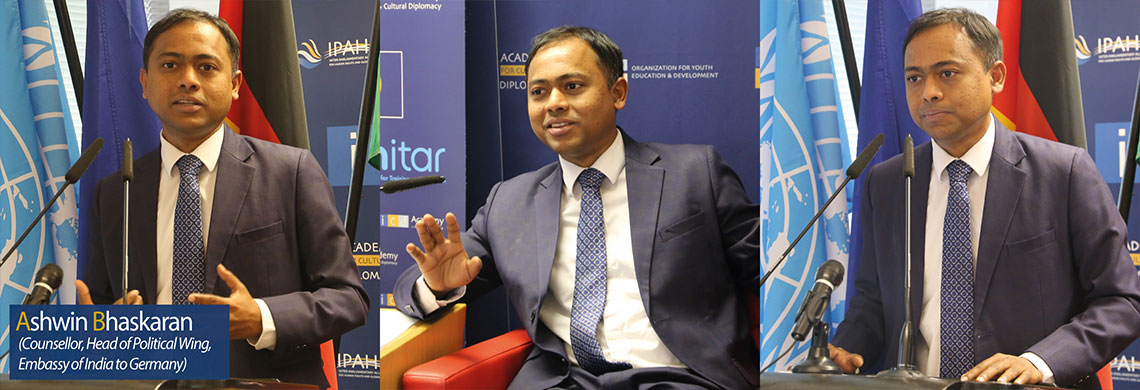
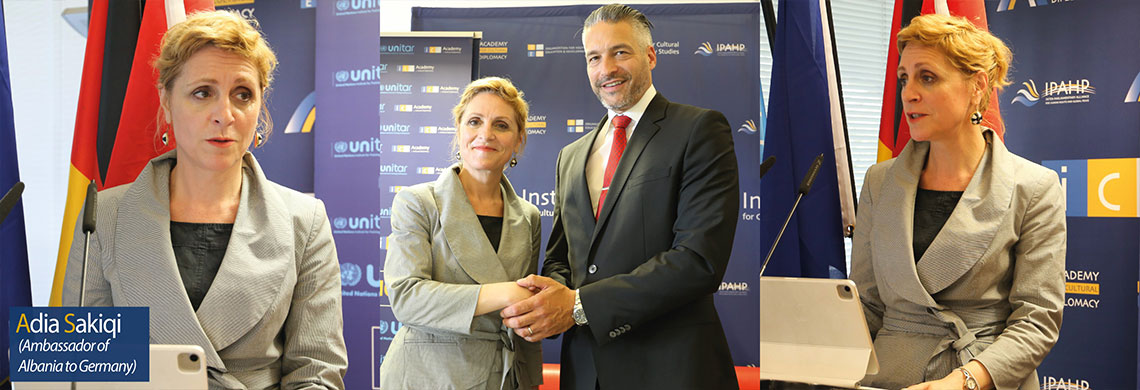
The Berlin International Economics Congress 2012, organised by the Institute for Cultural Diplomacy (ICD), brought together political leaders, diplomats, economists, academics, business representatives and members of civil society to examine the relationship between international economics, cultural diplomacy and global governance. The four-day Congress provided an interdisciplinary platform for addressing the economic and political challenges confronting the international community.
Held against the background of the continuing global financial and European sovereign debt crises, the Congress examined the growing importance of regional alliances, strategic partnerships and international economic cooperation. Particular attention was devoted to the challenges facing countries affected by unemployment, public debt and financial instability, as well as the role of international institutions in supporting economic recovery.
Cultural Diplomacy and International Economic Relations
A central theme of the Congress was the contribution of cultural diplomacy to strengthening international economic relations. Discussions explored how cultural understanding, political dialogue and cooperation between governments, businesses and civil society could facilitate economic partnerships, encourage international investment and strengthen mutual confidence between nations.
The concept of economic bridges received particular attention as a means of developing commercial relationships across political, geographical and cultural boundaries. The Congress examined how such partnerships could generate business opportunities, support economic development and contribute to international stability.
Corporate Social Responsibility and Global Governance
The programme addressed the relationship between corporate social responsibility, international business practices and the evolving structures of global economic governance. Participants considered the responsibilities of multinational corporations, governments and international institutions in promoting sustainable economic development and responding to the consequences of financial instability.
Nation branding was also examined in relation to international competitiveness, foreign investment and the influence of national reputation on economic and diplomatic relations.
International Dialogue and Cooperation
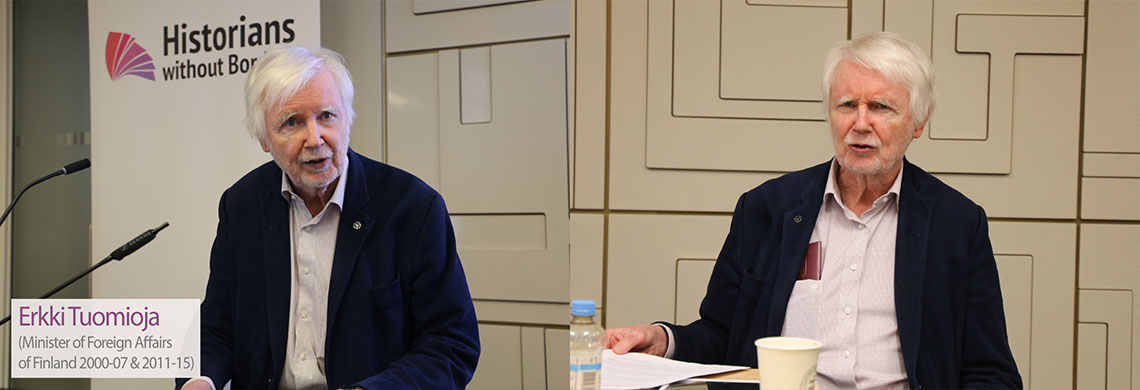
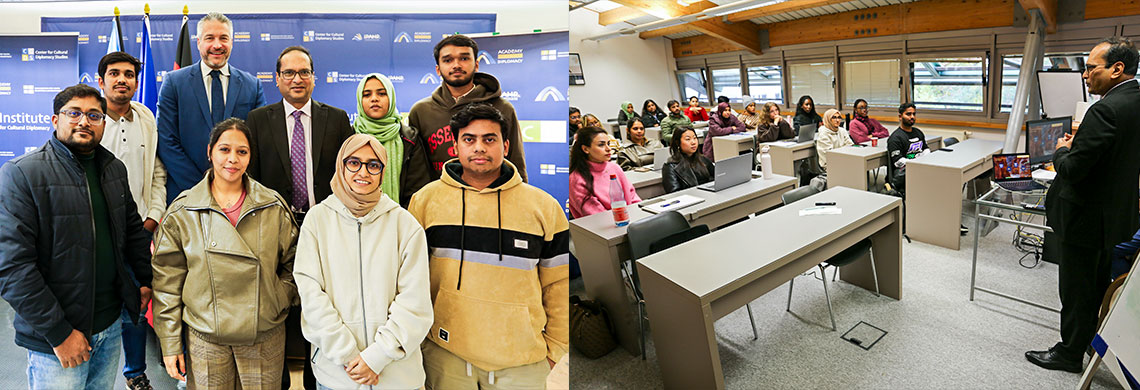
The Congress featured lectures, seminars, panel discussions, workshops and interactive sessions involving international political figures and experts from economics, diplomacy, academia and the private sector, including members of the ICD Advisory Board.
Through its interdisciplinary programme, the Congress sought to advance understanding of the relationship between cultural diplomacy and international economics, strengthen cooperation across institutional and national boundaries, and explore approaches to economic development, responsible governance and international stability.
Event Reviews
We are pleased to make the following documentation available:Certificate of Attendance
All participants will be awarded an official certificate of attendance upon completion of the program, which provides details about the speakers and topics at the conference. Each certificate will be signed by members of the ICD's Advisory Board.Conference Speakers
Speakers during the conference will include leading figures and experts from civil society, international politics, academia, diplomacy, and the private sector from across the world. These speakers will include a number of individuals from the ICD Advisory Board.Participant Papers »
The Institute for Cultural Diplomacy encourages research and progressive thought on the fields of culture, globalization, and international relations. As such, the ICD welcomes participants of the conference to submit relevant papers addressing topics within these fields particular to their interests and passions. Participants can submit papers written in the past for other purposes or ongoing research, or written specifically for the conference. Groups of students are also allowed to submit collaborative pieces of work.