
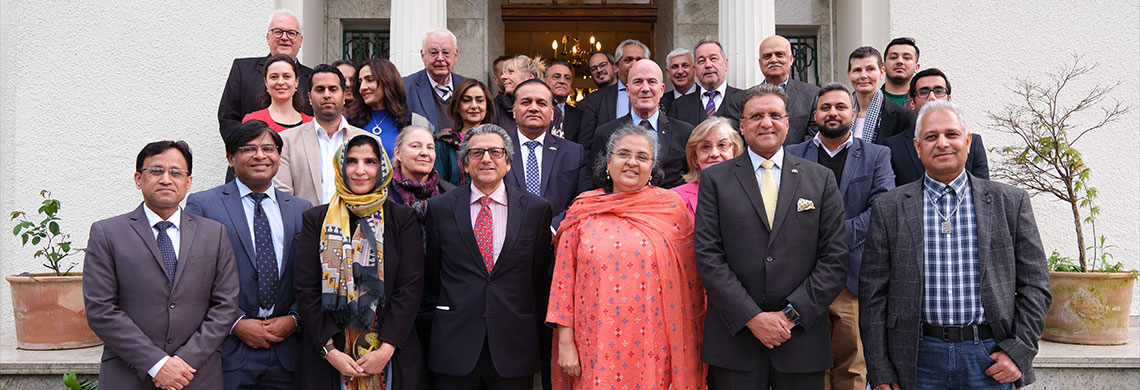
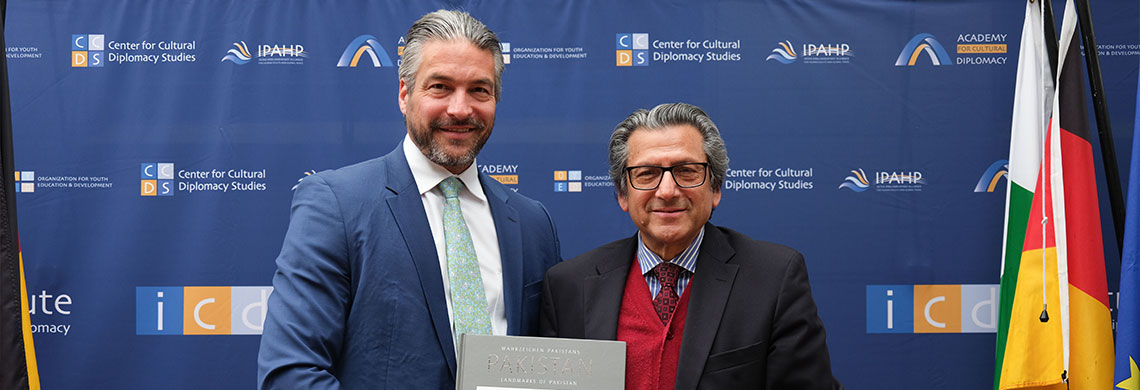
Book Presentation: “The Landmarks of Pakistan” – Drawings of Ute Elpers -// Complied by Shahid Kamal & Folker Flasse
(Berlin; April 16th, 2024)
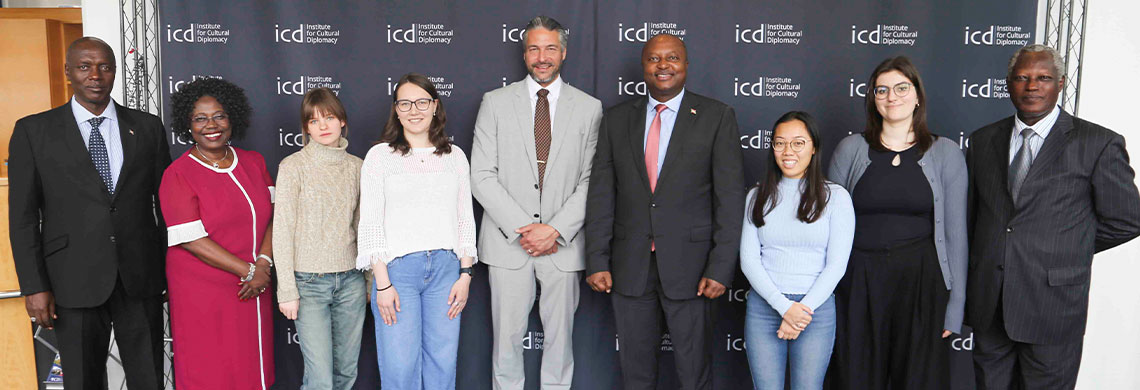
ICD Visit - Albert Shingiro (Minister of Foreign Affairs and Development Cooperation of Burundi)
(ICD House, Berlin; April 8th, 2024)
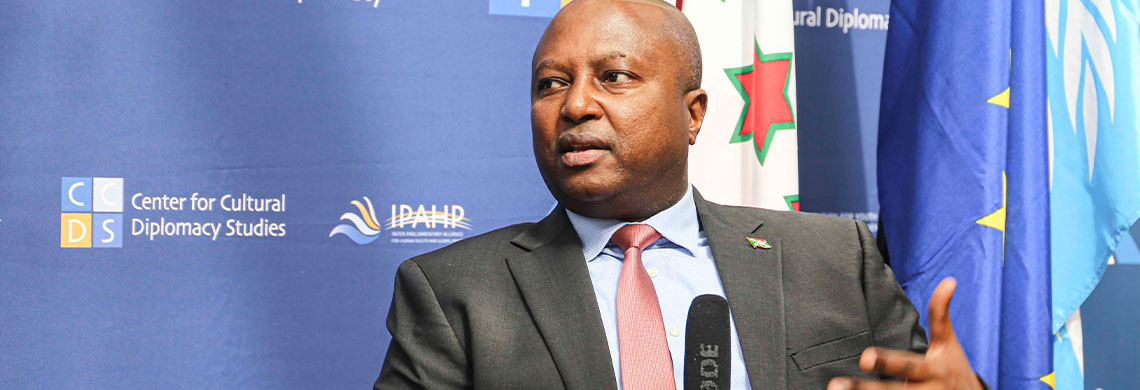
ICD Visit - Albert Shingiro (Minister of Foreign Affairs and Development Cooperation of Burundi)
(ICD House, Berlin; April 8th, 2024)
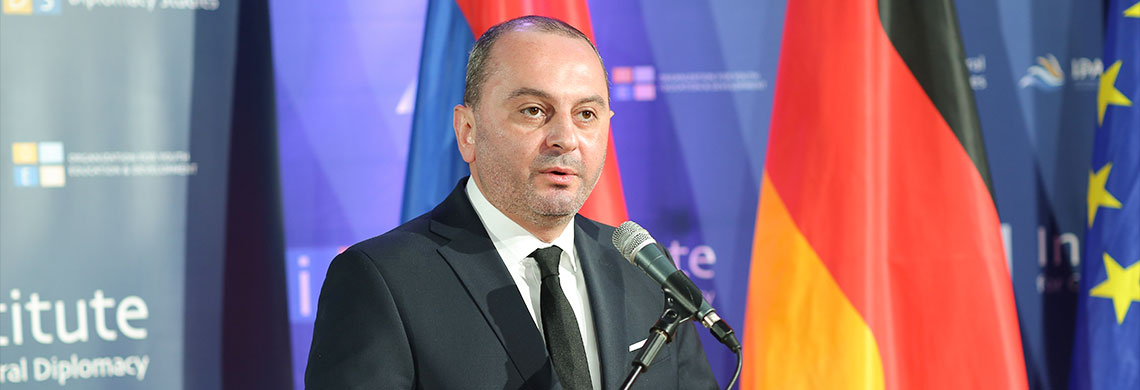
Amb. Viktor Yengibaryan (Ambassador of the Republic of Armenia to Germany)
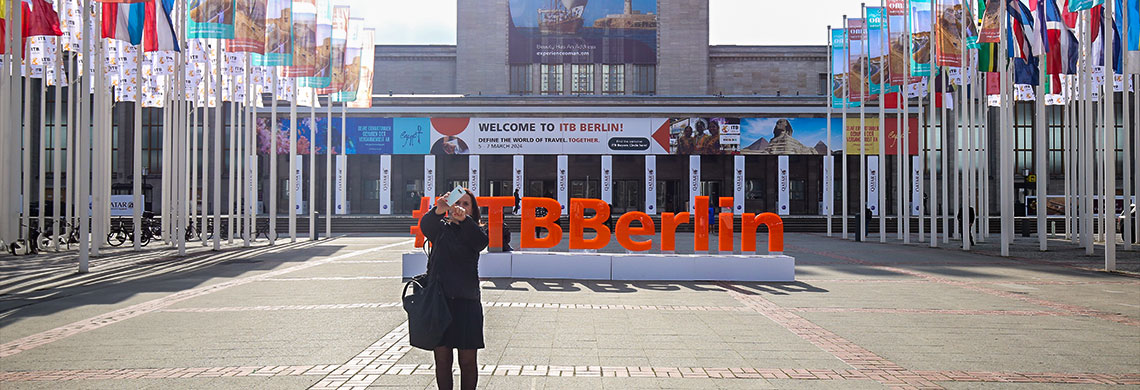
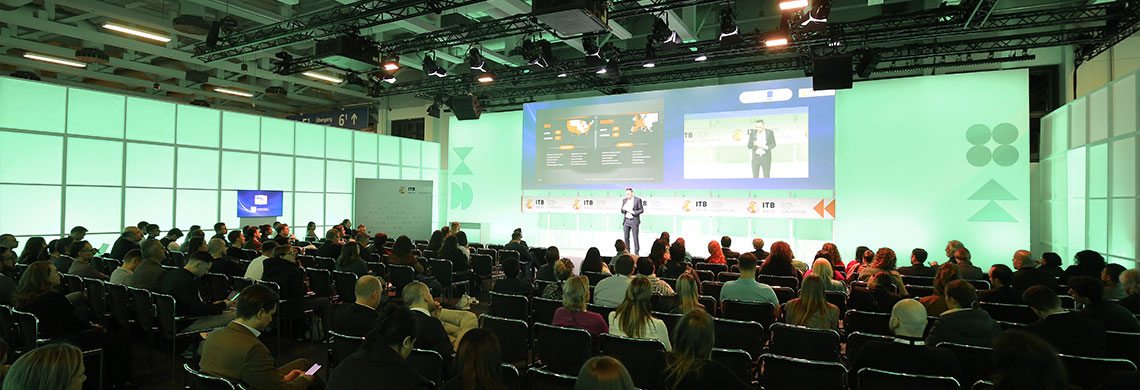
Berlin Economic Forum 2024
(Berlin; March 6th - 9th, 2024) – Held Parallel to the ITB 2024 /Berlin Travel Trade Show
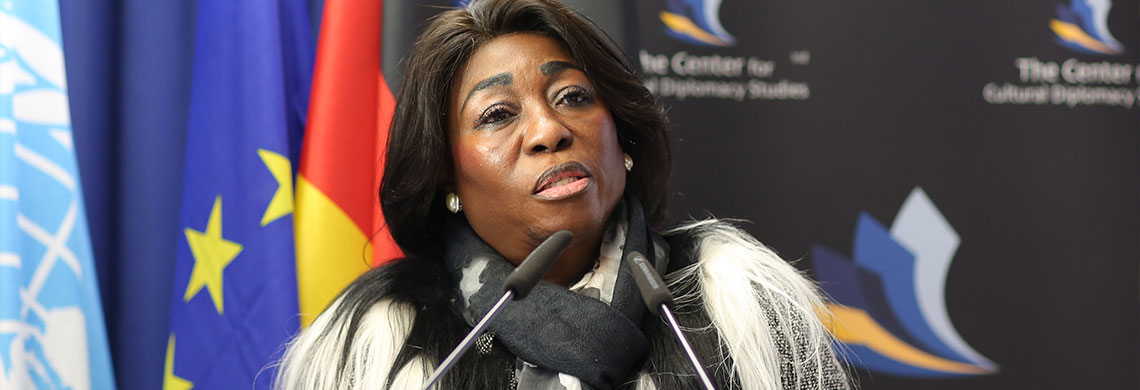
Amb. Balbina Malheiros Dias da Silva (Ambassador of the Republic of Angola to Germany)
Berlin Economic Forum 2024
(Berlin; March 6th - 9th, 2024) – Held Parallel to the ITB 2024 /Berlin Travel Trade Show
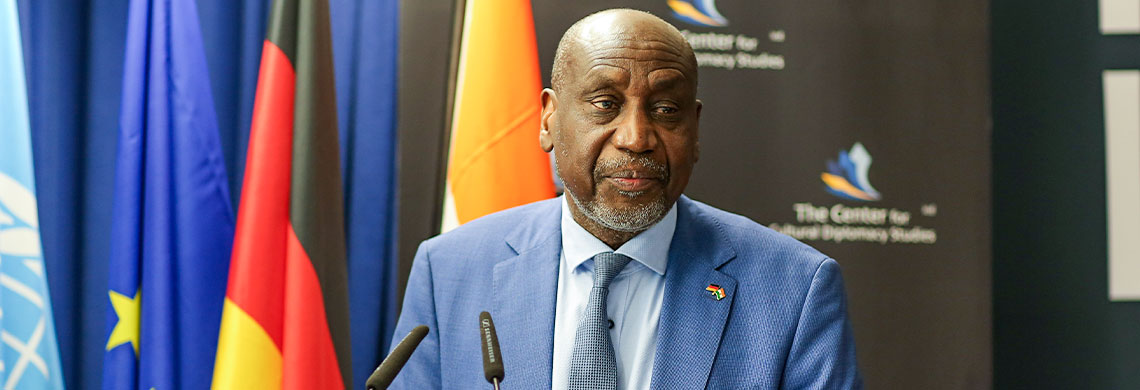
Souleymane Issakou (Ambassador of the Republic of Niger to Germany)
Berlin Economic Forum 2024
(Berlin; March 6th - 9th, 2024) – Held Parallel to the ITB 2024 /Berlin Travel Trade Show
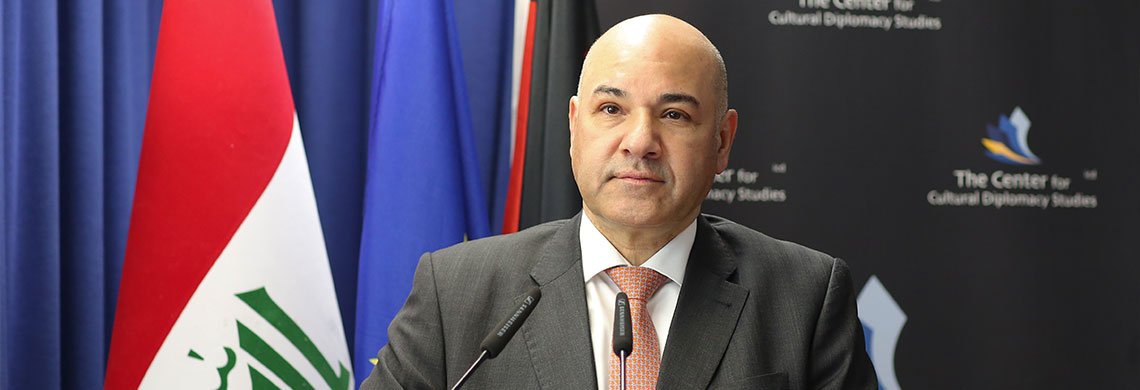
Amb. Lukman Al-Faily (Ambassador of the Republic of Iraq to Germany)
Berlin Economic Forum 2024
(Berlin; March 6th - 9th, 2024) – Held Parallel to the ITB 2024 /Berlin Travel Trade Show
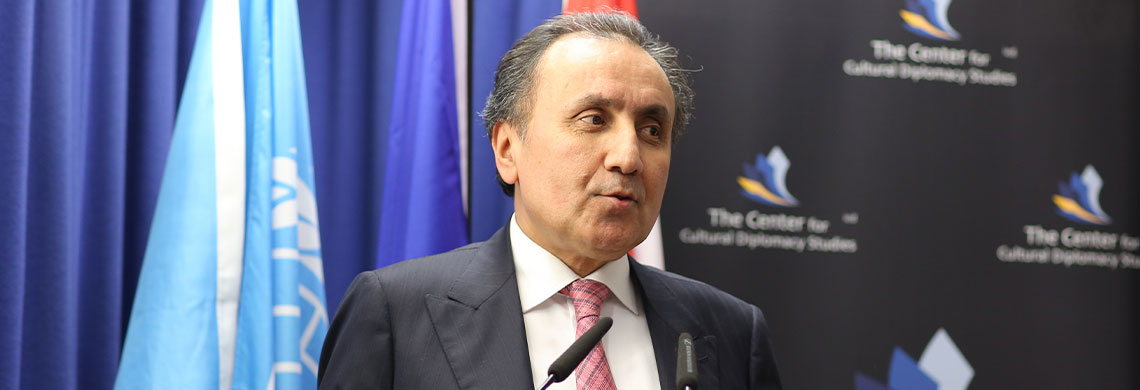
Amb. Imomudin Sattorov (Ambassador of the Republic of Tajikistan to Germany)
Berlin Economic Forum 2024
(Berlin; March 6th - 9th, 2024) – Held Parallel to the ITB 2024 /Berlin Travel Trade Show
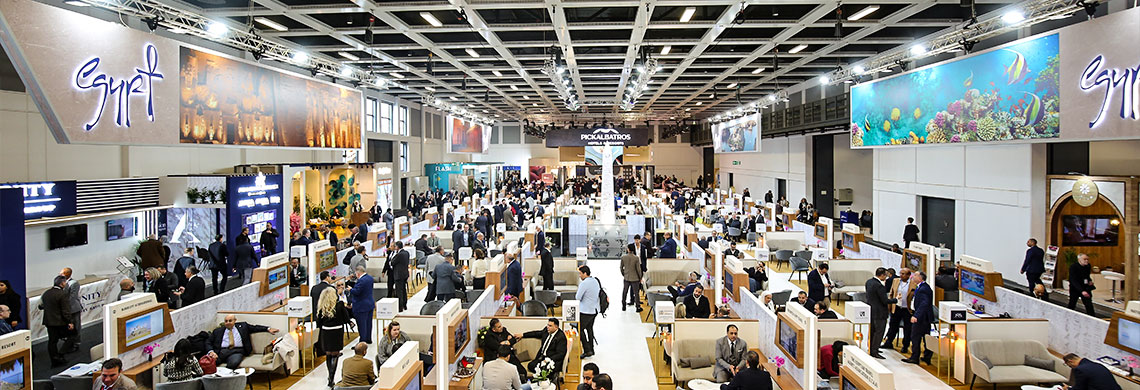
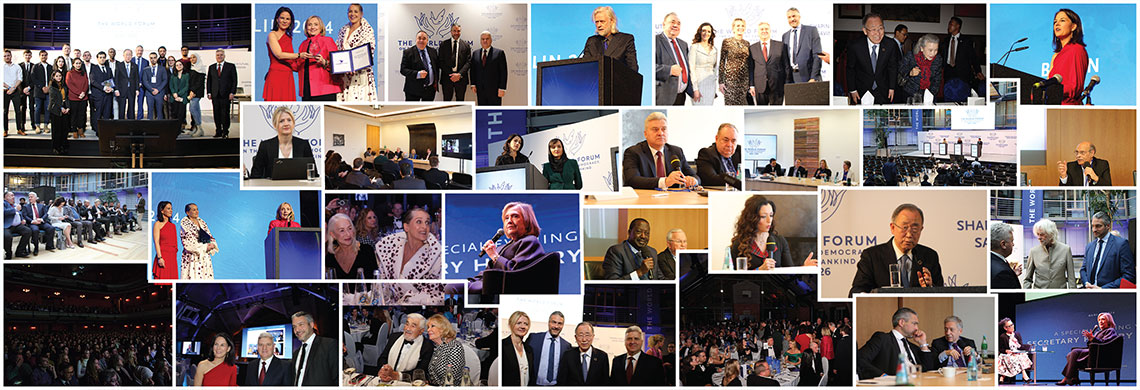
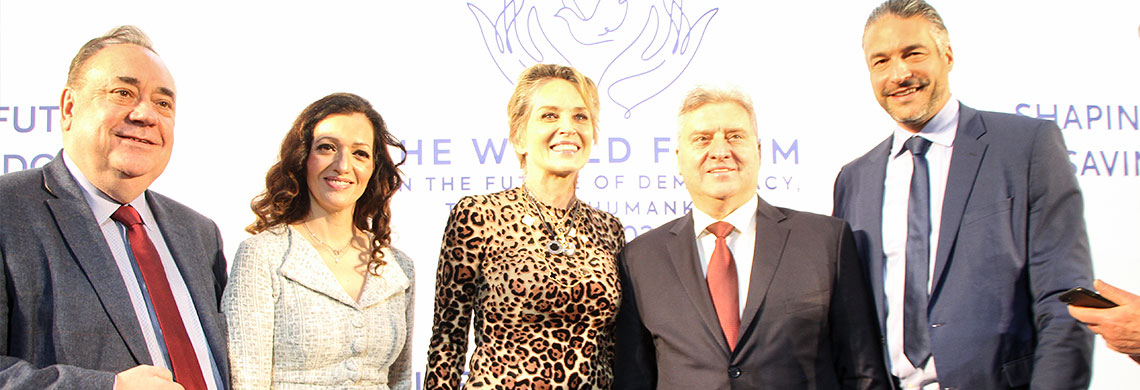
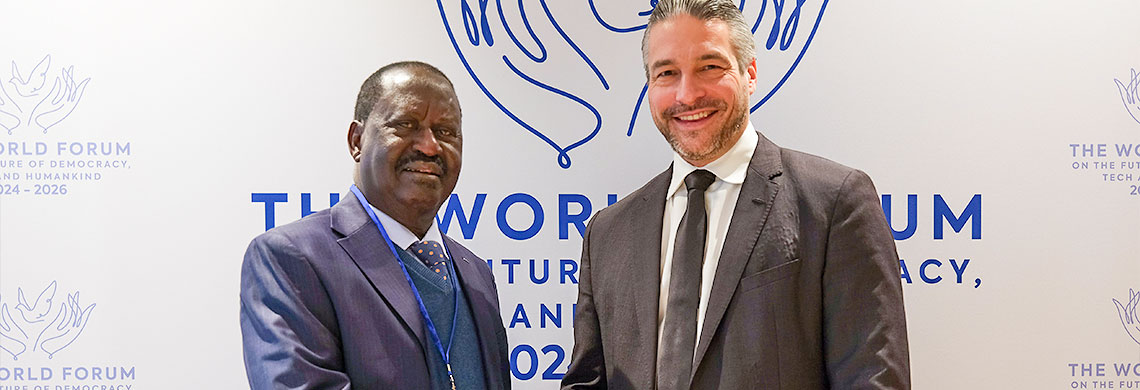
The World Forum on the Future of Democracy, Tech and Humankind
(Berlin; February 18 & 19th, 2024)
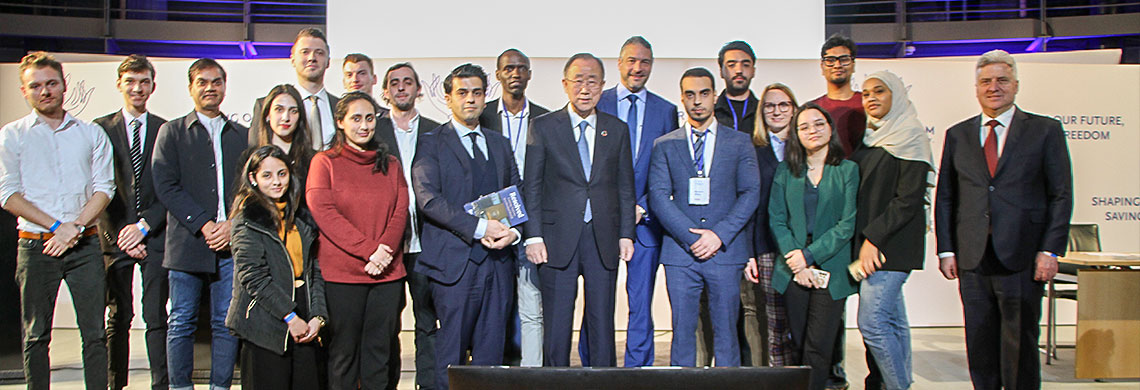
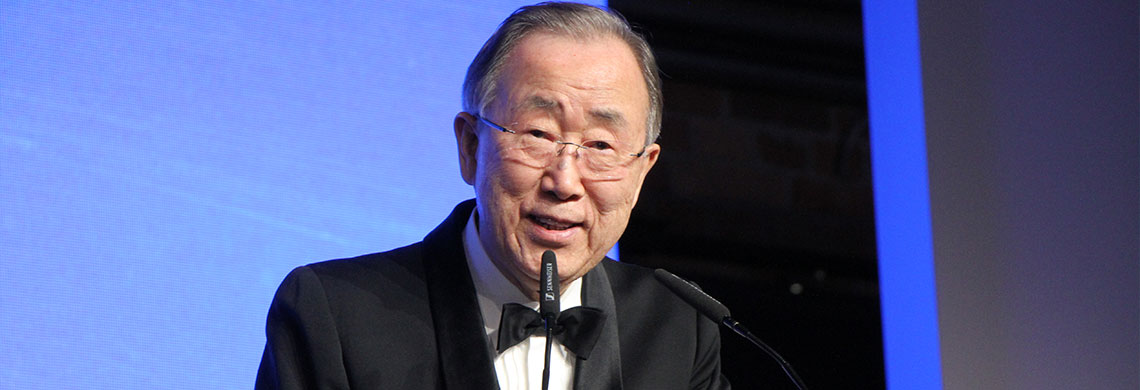
Ban Ki-moon (Secretary-General of the United Nations 2007-16)
The World Forum on the Future of Democracy, Tech and Humankind (Berlin; February 18 & 19th, 2024)
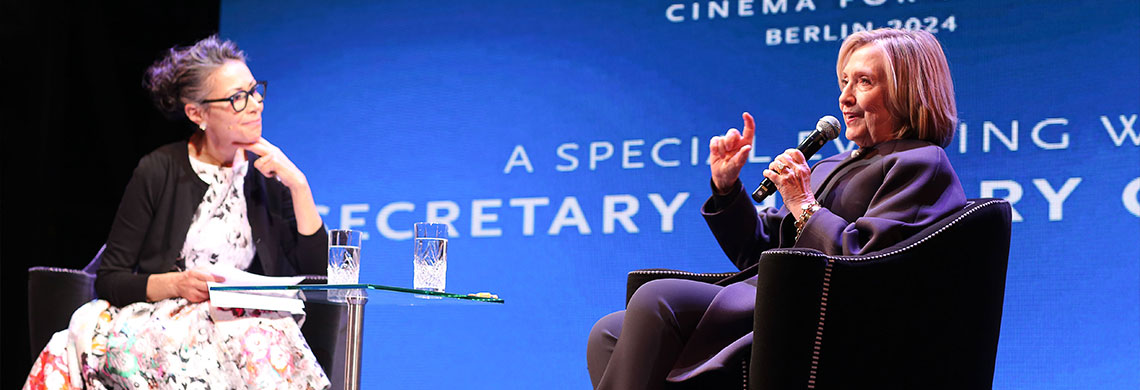
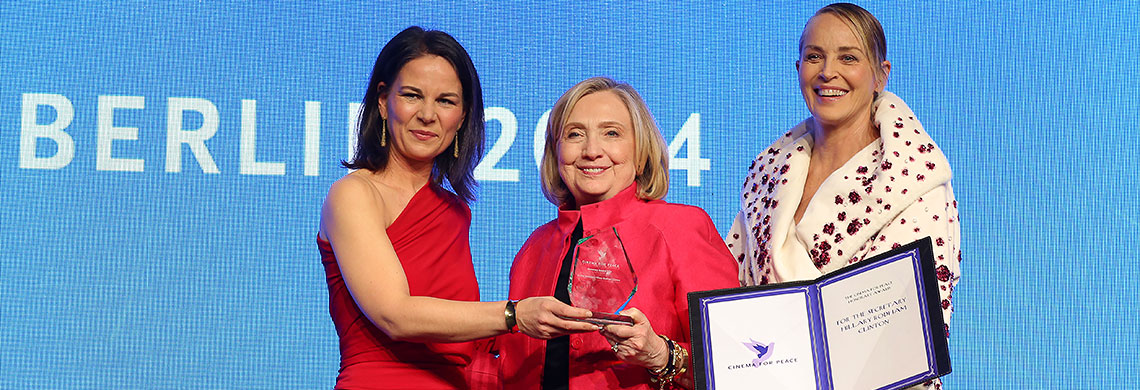
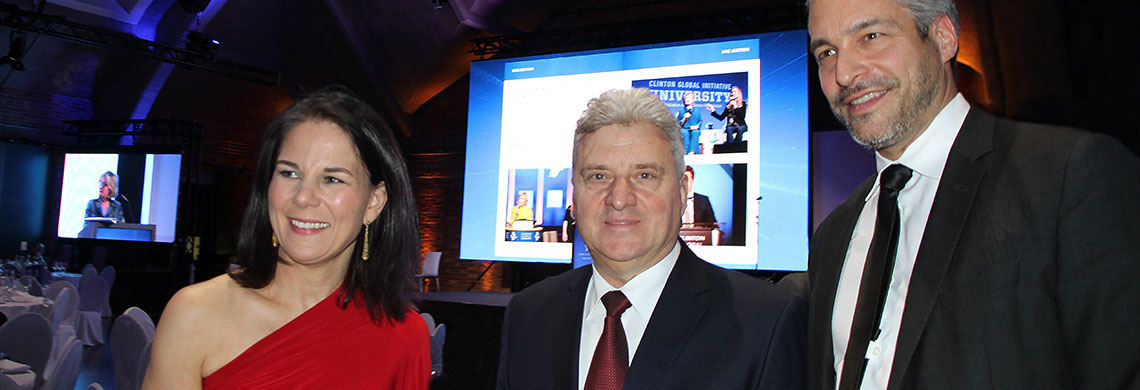
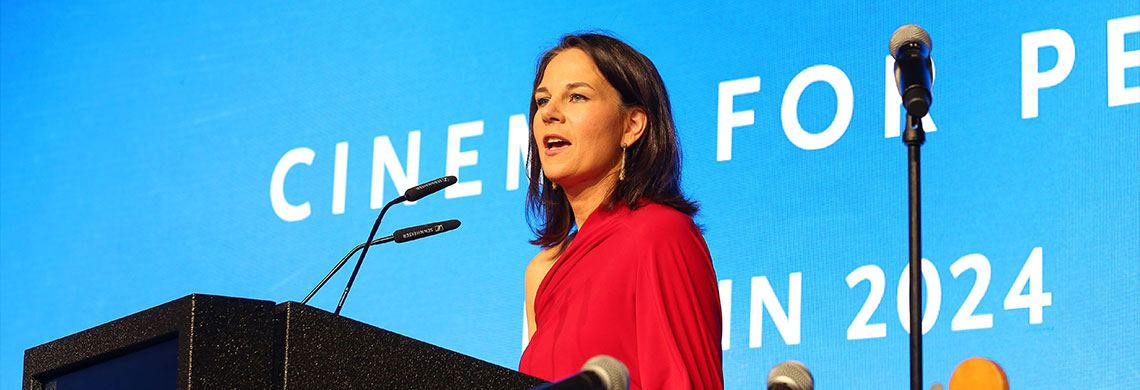
Annalena Baerbock (Foreign Minister of Germany)
The World Forum on the Future of Democracy, Tech and Humankind (Berlin; February 18 & 19th, 2024)
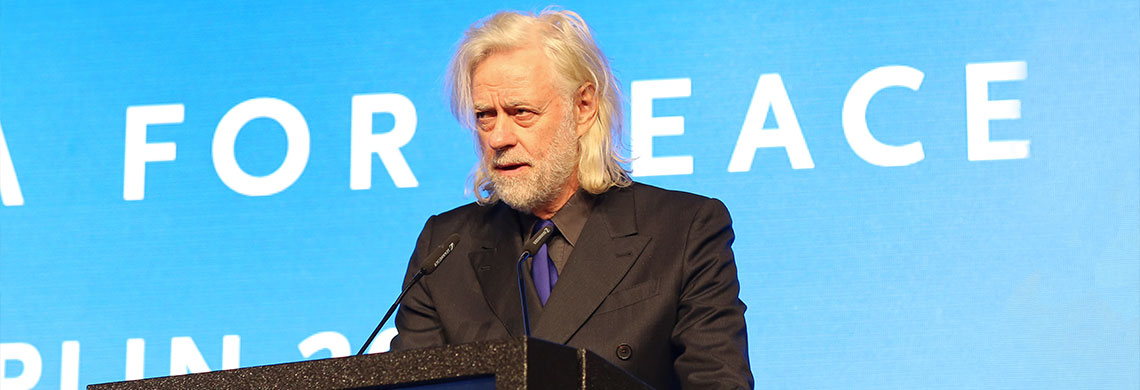
Bob Geldof (Irish Singer-Songwriter and Political)
The World Forum on the Future of Democracy, Tech and Humankind (Berlin; February 18 & 19th, 2024)
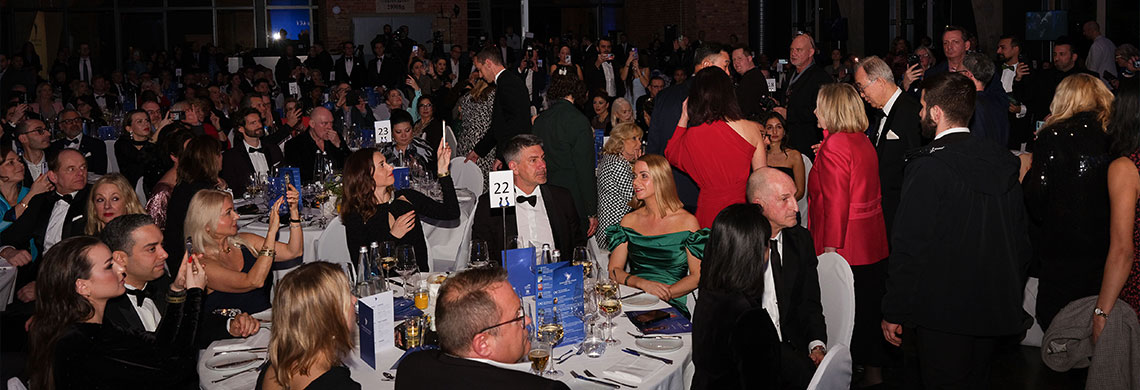
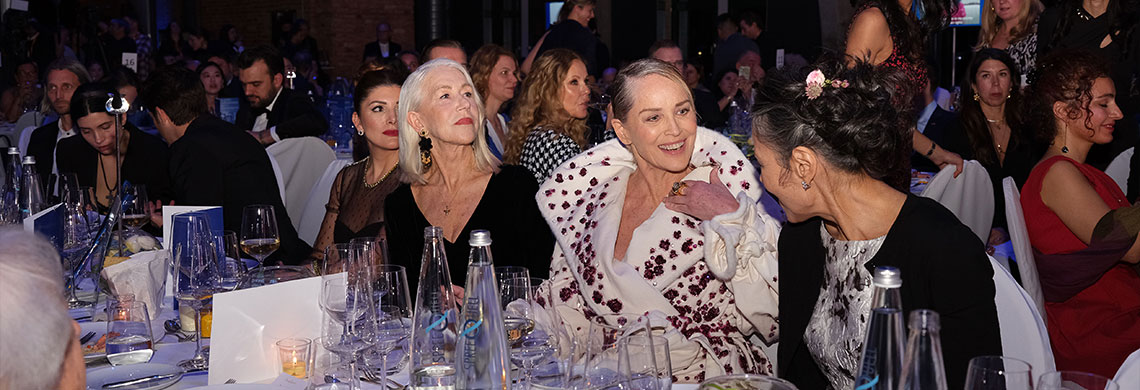
World Forum Gala Event
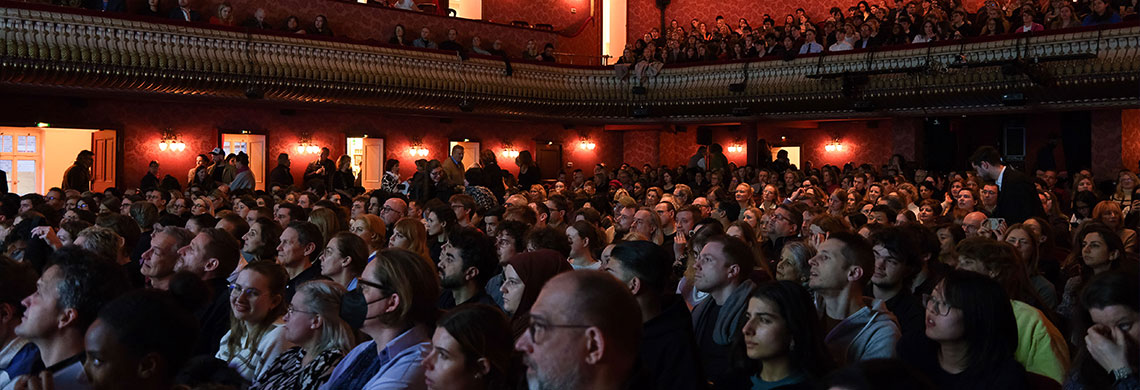
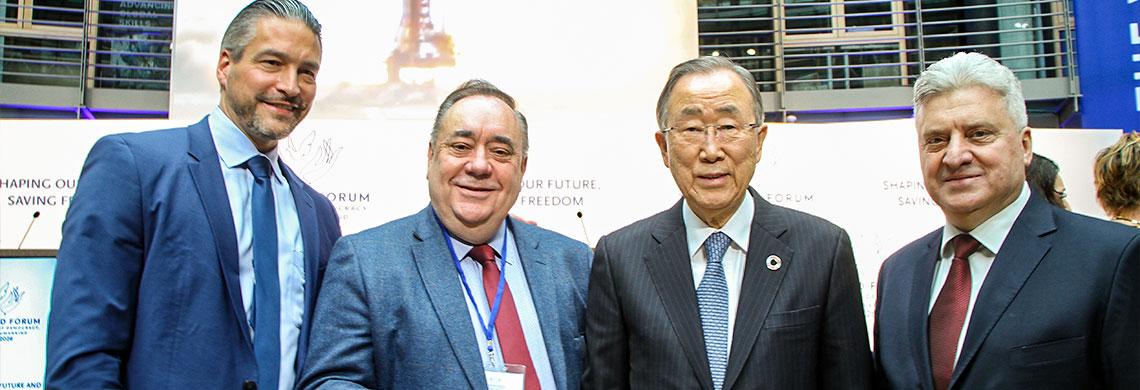
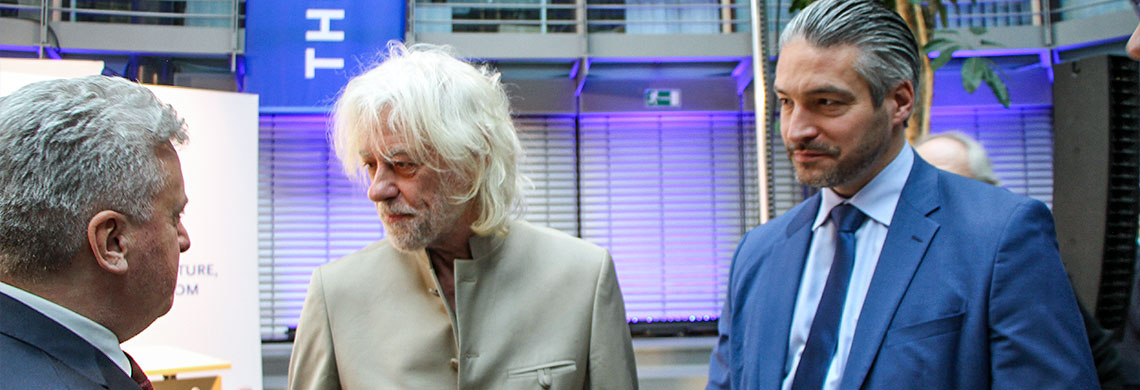
Bob Geldof (Irish Singer-Songwriter and Political Activist) & Gjorge Ivanov (President of the Republic of Macedonia 2009-19) & Mark Donfried
The World Forum on the Future of Democracy, Tech and Humankind (Berlin; February 18 & 19th, 2024)
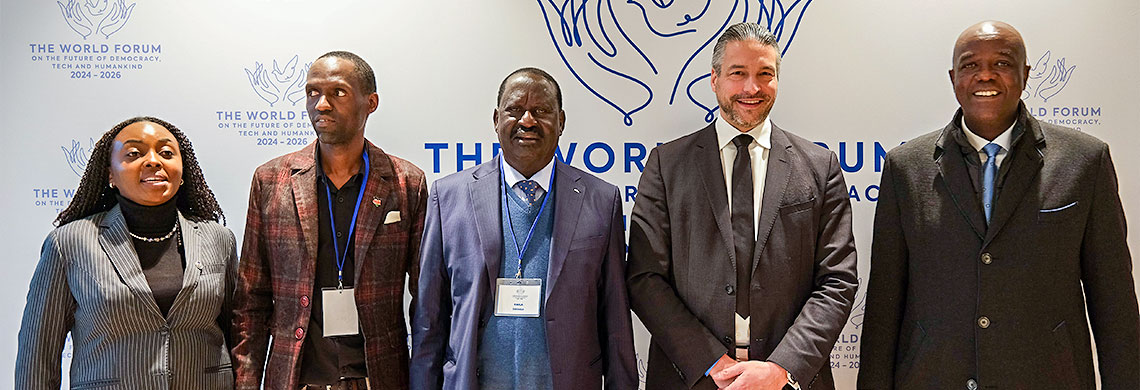
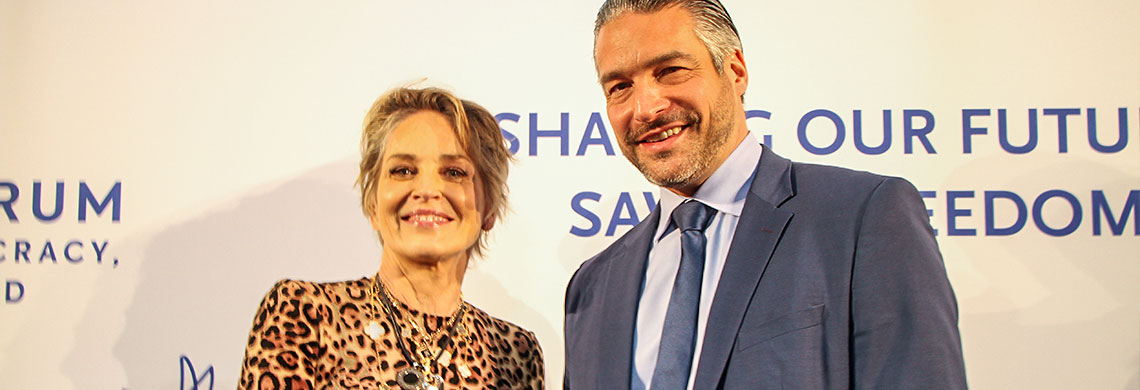
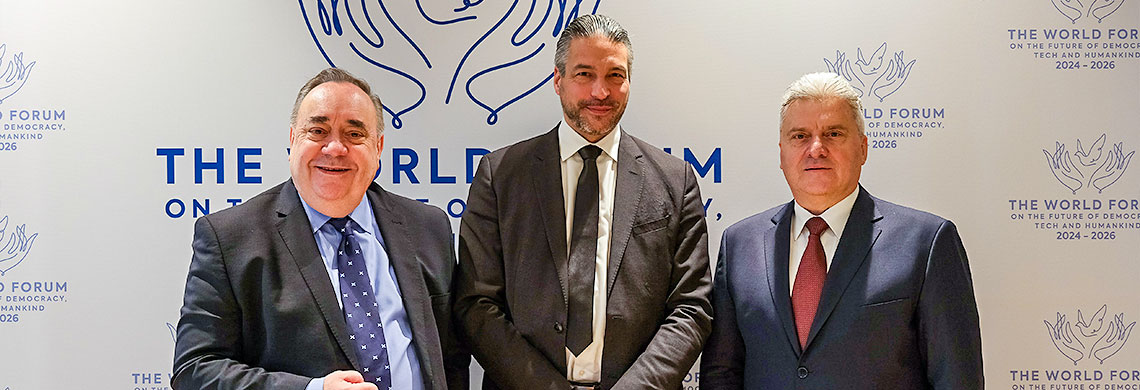
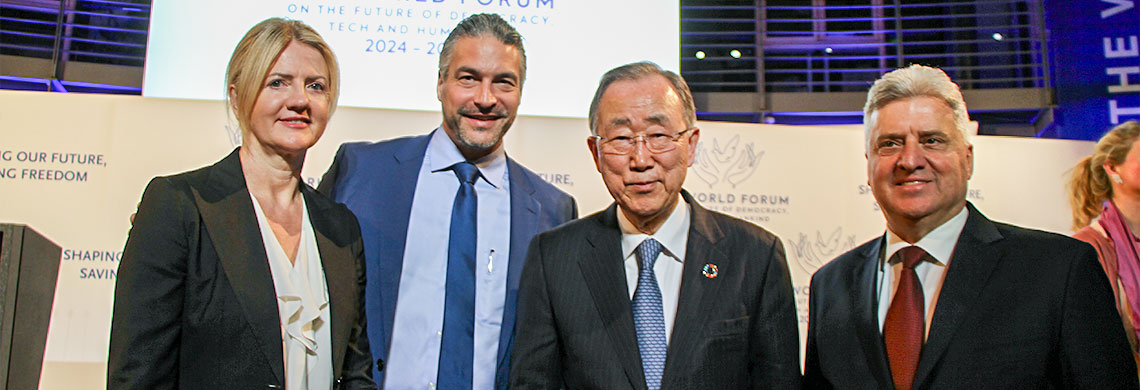
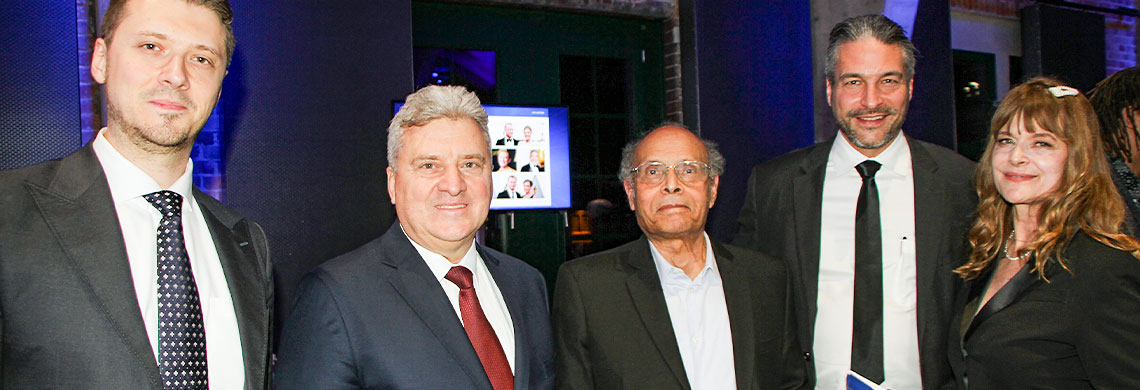

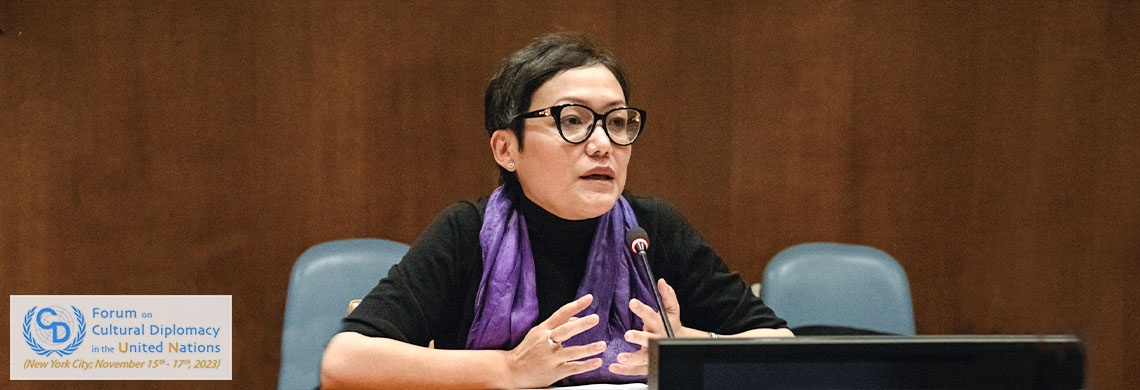
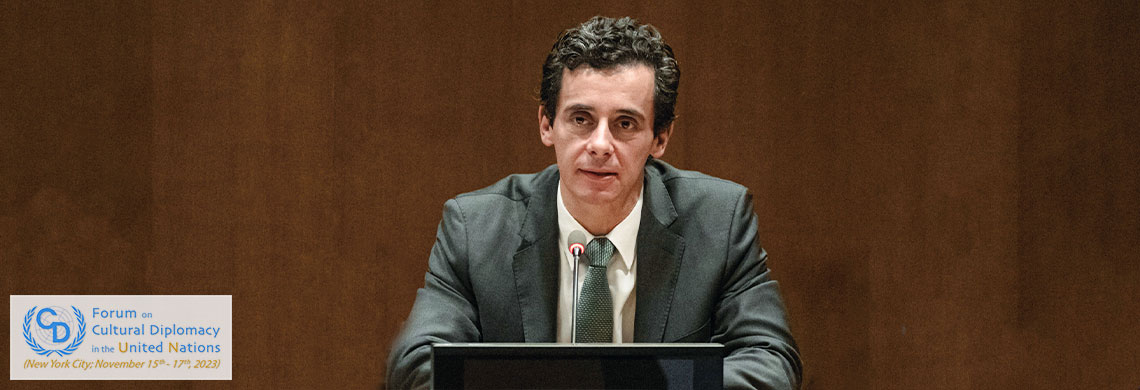
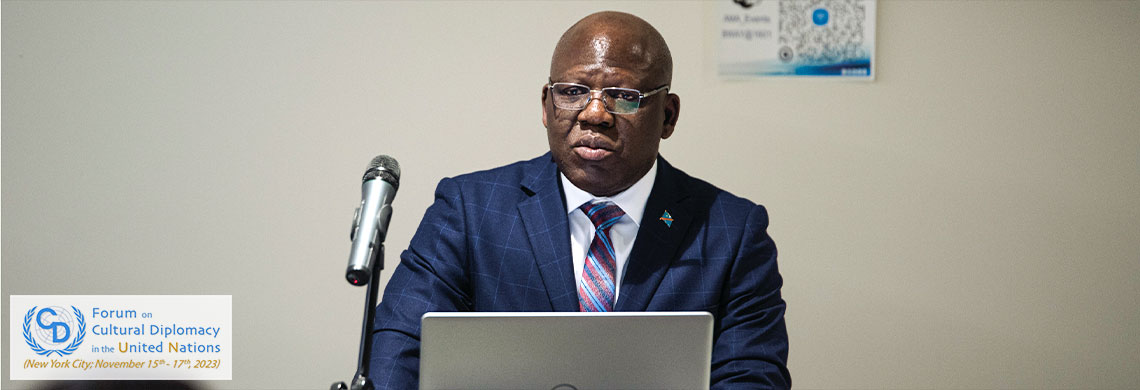
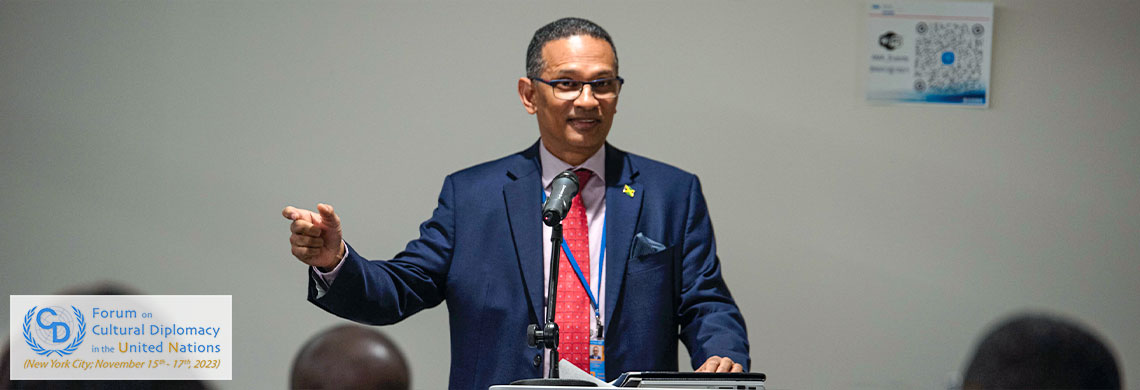
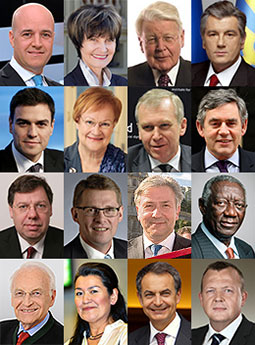














 Gjorge Ivanov
 Stevo Pendarovski
 Danela Arsovska
 Aleksandar Nikoloski
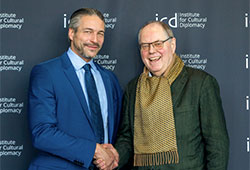
 Armin Laschet
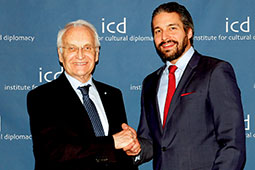
 Elmar Brok
 Ivo Josipovic
 Natalia Gavrilita
 Hassan Diab
 Bamir Topi
 Boris Tadic
 Petar Stoyanov
 Ann Linde
 Mladen Ivanic
 Slavjanka Petrovska
 Abdulla Shahid
 Vera Kamtukule
 Shakhwan Abdullah Ahmad Dalawi
 Joël Randriamandranto
 Dato’ Sri Abdul Karim Rahman Hamzah
 Nqobizitha Mangaliso Ndlovu
 Dalia Grybauskaitė
 François Fillon
 Marie-Louise Coleiro Preca
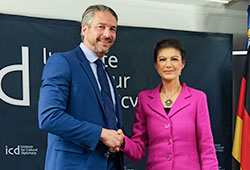
 Sahra Wagenknecht
 Peer Steinbrück
 María Elena Agüero
 Sophia Voultepsi
 Pedro Silva Pereira
 Mich
Mich Moncef Marzouki
 Mohammad Hanif Atmar
 Hassan Diab
 Gjorge Ivanov
 Hans Köchler
 Emil Constantinescu
 Eva-Maria Liimets
 Denitsa Dimitrova Simeonova
 Pernille Weiss
 Kremena Milenova Kuneva
 Salima Belhaj
 Lina Lopes
 Andreas Kiefer
 Borut Pahor
 Emil Boc
 Ferenc Gyurcsány
 Guy Verhofstadt
 Jan Vapaavuori
 Laurent Ngon Baba
 Luca Jahier
 Lord Pickles
 Maria Joao Rodrigues
 Mukhisa Kituyi
 Naheed Nenshi
 Rita Kieber-Beck
 Thomas Silberhorn
 Roza Otunbayeva
 Vojko Obersnel
  Wilmot Collins
 Zaza Tavadze
 Brian Cowen
 Klaus Wowereit
 Hakima El Haite
 Artur Mas i Gavarró
 Elsa Artadi i Vila
 José Montilla Aguilera









Contact Us
20 W 34th St., New York, NY 10001, USA
Academy for Cultural Diplomacy Berlin
Soltauer Str. 18-22, D-13509 Berlin
Phone: +49 (0) 30 2360 7680
E-Mail: communicationculturaldiplomacyorg
© Institute for Cultural Diplomacy Inc. - All rights reserved | Sitemap | Contact | Imprint | Privacy Policy