



































Institute for Cultural Diplomacy inc. (USA)
About







Introduction
Founded in 1999 in the USA, the Institute for Cultural Diplomacy inc (ICD) is an international, not-for-profit, non-governmental organization with headquarters in the USA and in Germany.
Philosophy
The ICD understands that in an increasingly globalized world, in which people are free and able to travel and exchange information faster than ever before, the globe is becoming more integrated and there is a growing interdependency between nations, communities and individuals.
In this regard, the ICD believes that inter- and intra- cultural relations can be strengthened and maintained through constant and on-going dialogue and exchange. These, in turn, lead to a better understanding and greater trust between nations and communities, prevent misunderstanding, improve communication and cooperation and help to reduce the likelihood of socio-cultural conflicts and disputes.
Goal & Mission
Cultural diplomacy has long been recognized as a prime instrument to promote intercultural links between countries, communities and peoples. The Institute for Cultural Diplomacy was founded with the aim to promote cultural diplomacy globally; by doing so, the ICD contributes to achieving global peace by strengthening intercultural relations.
and supporting intercultural relations at all levels.”
Activity & Methodology
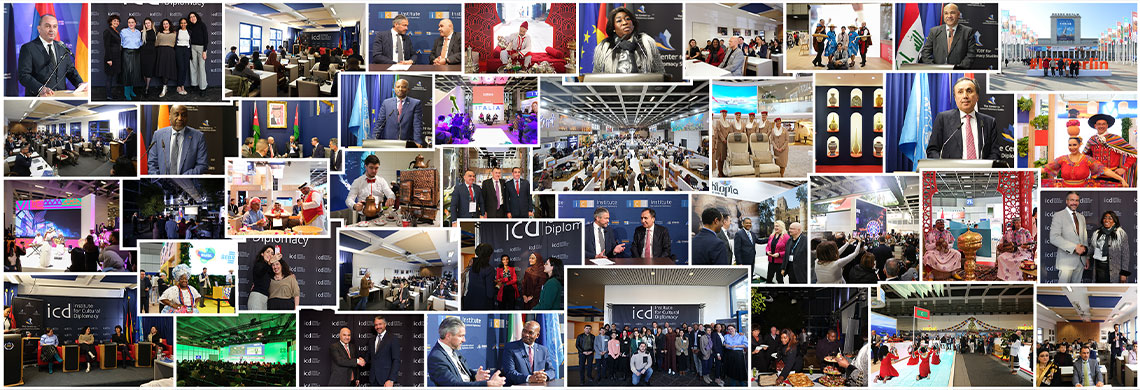
The Institute for Cultural Diplomacy’s primary activity focuses on the development and the promotion of the field of Cultural Diplomacy with the aim to raise awareness and understanding of the field across the globe both locally and internationally; The ICD works continuously to develop new and innovative initiatives of cultural diplomacy.
The major objectives of the ICD are to extend current research, programs and practices in the field of cultural diplomacy and create a platform to promote and sustain intercultural dialogue at all levels.
In addition to promoting cultural diplomacy through its own initiatives, the ICD also promotes cultural diplomacy by actively supporting the work that is already being done in this area by partnering and communicating with other actors in the field.
The ICD activities are implemented and executed by its four main partner institutions:
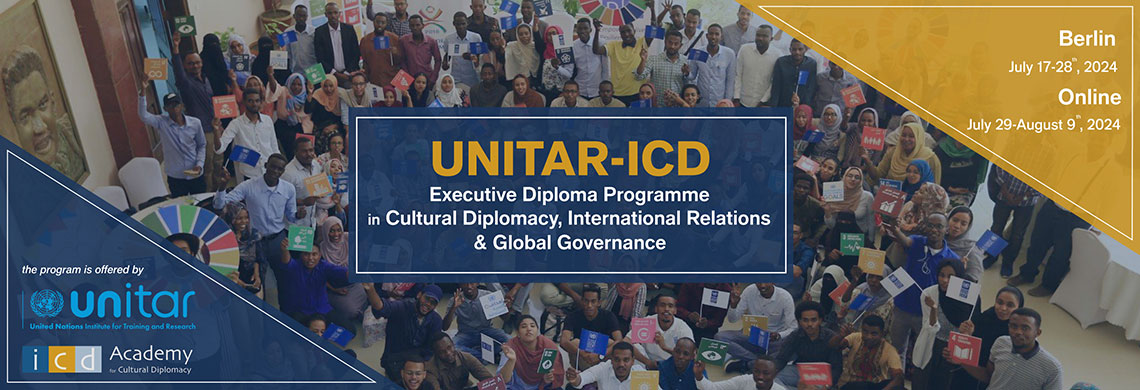
- the ICD Academy for Cultural Diplomacy
- the Organization for Youth Education & Development (OYED)
- the Inter Parliamentary Alliance for Human Rights & Global Peace (IPAHP)
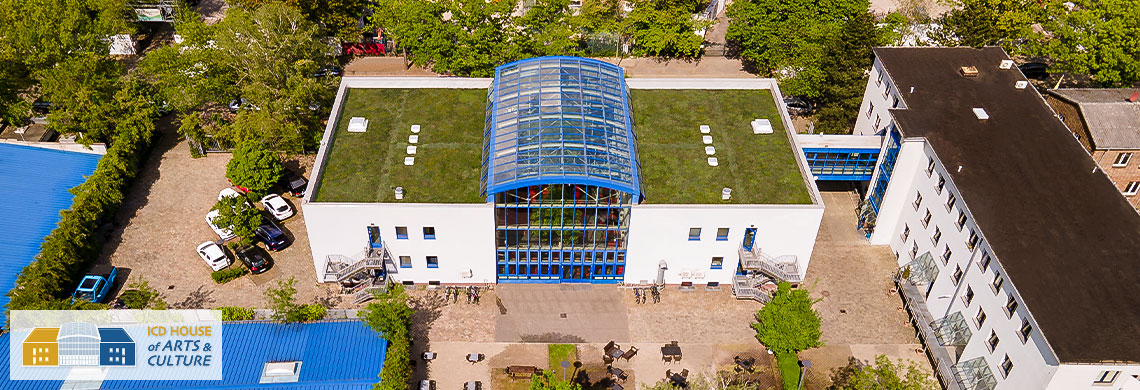
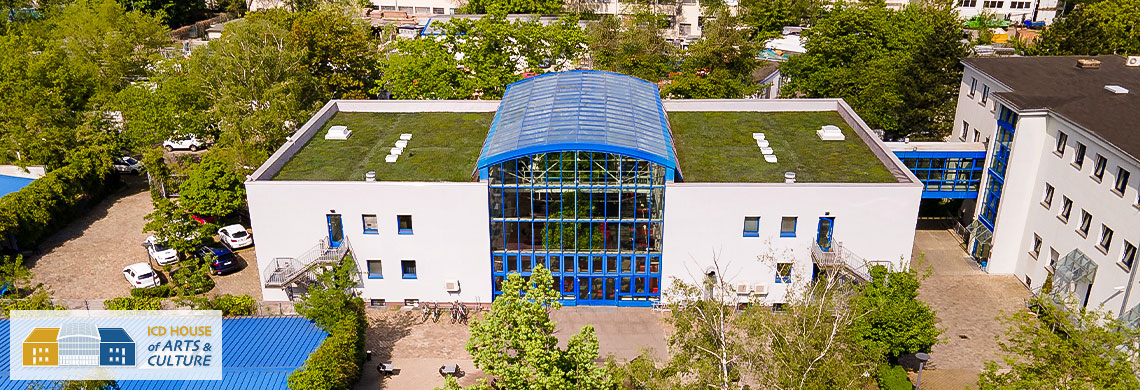
- the ICD Academy House of Arts & Culture.
Partner Institutions: |
|---|
| ICD Academy for Cultural Diplomacy www.academy-for-cultural-diplomacy.org |
| ICD Academy House of Arts & Culture www.icdhouse.org |
| Inter-parliamentary Alliance for Human Rights & Global Piece www.ipahp.org |
| Organization for Youth Education & Development www.oyed.org |