
14th World Congress of Syriac Studies (Symposium Syriacum)
& 12th International Conference of Christian Arabic Studies
Event Overview
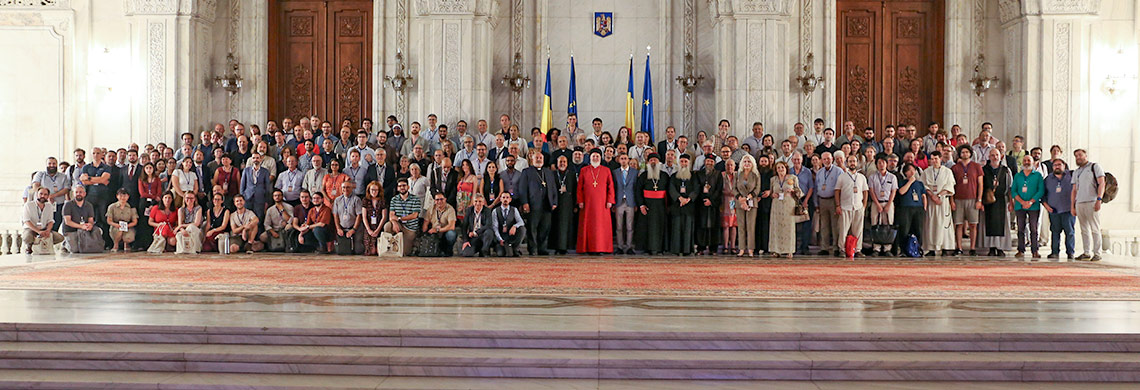
The 14th World Congress of Syriac Studies (Symposium Syriacum) and the 12th International Conference of Christian Arabic Studies took place from 3–7 August 2026 at the Palace of Parliament in Bucharest, marking the first time these internationally established gatherings were held in Eastern Europe. The congress was organised under the leadership and coordination of the Institute for Advanced Studies in Levant Culture and Civilization, with Dr. C?t?lin-?tefan Popa serving as Chair, and with the support of the State Secretariat for Religious Affairs. The opening brought together state officials and church representatives, including Emil Constantinescu, President of the Institute for Advanced Studies in Levant Culture and Civilization. The broader institutional framework brought together Romanian parliamentary, academic, religious and cultural institutions, reflecting the importance attached to the congress at both national and international levels.
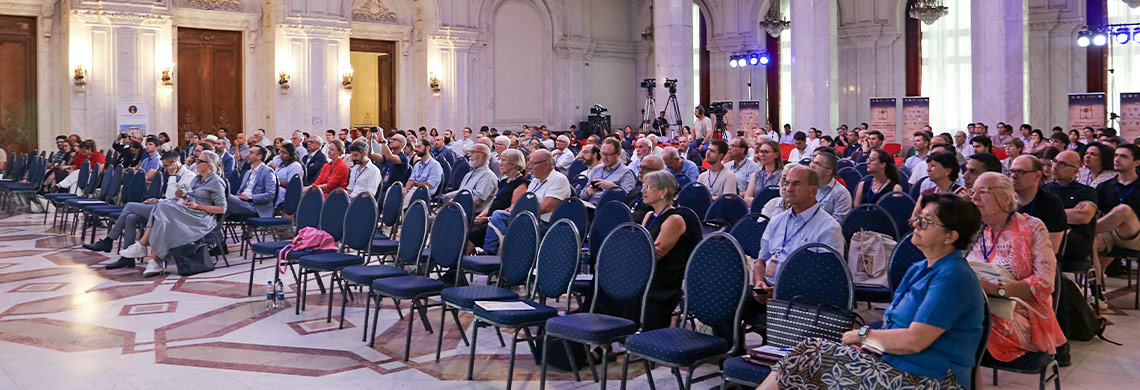
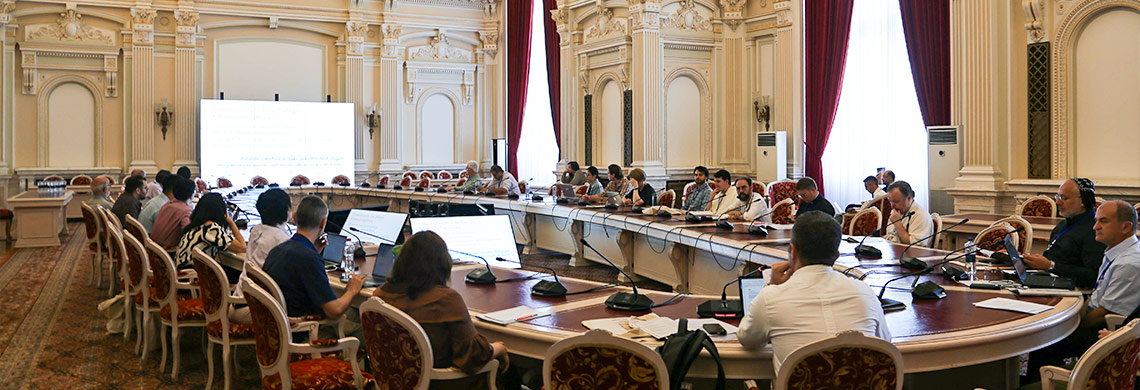
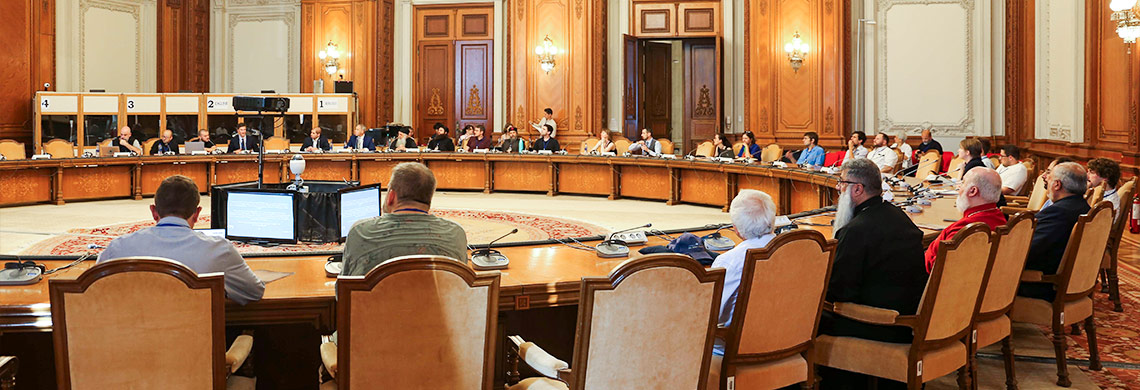
Over five days, the congress offered an exceptionally broad programme of plenary lectures, parallel academic sessions, book presentations and high-level discussions, bringing together specialists from universities and research institutions across the world. Its programme ranged from manuscript culture, biblical philology and translation, theology, philosophy and mysticism to Christian Arabic studies, church history, cultural memory and the transmission of knowledge between civilisations. Particularly relevant to the wider purpose of the gathering were sessions examining “Knowledge across Cultural Boundaries”, as well as the concluding high-level plenary discussion, “Protecting Christian Cultural Heritage in the Middle East: Toward Sustainable Development and a Culture of Peace.” Together, these dimensions demonstrated that the congress was not only an important scholarly gathering, but also a platform for intercultural and interreligious dialogue and for recognising cultural heritage as a bridge between peoples and societies.