
UNESCO’s Road for Peace
An International Conference on the Occasion of the UN International Day of Peace
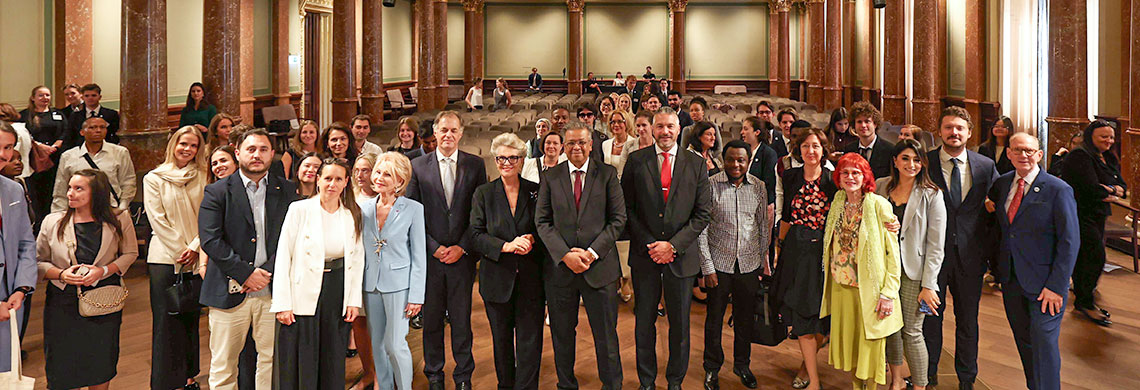
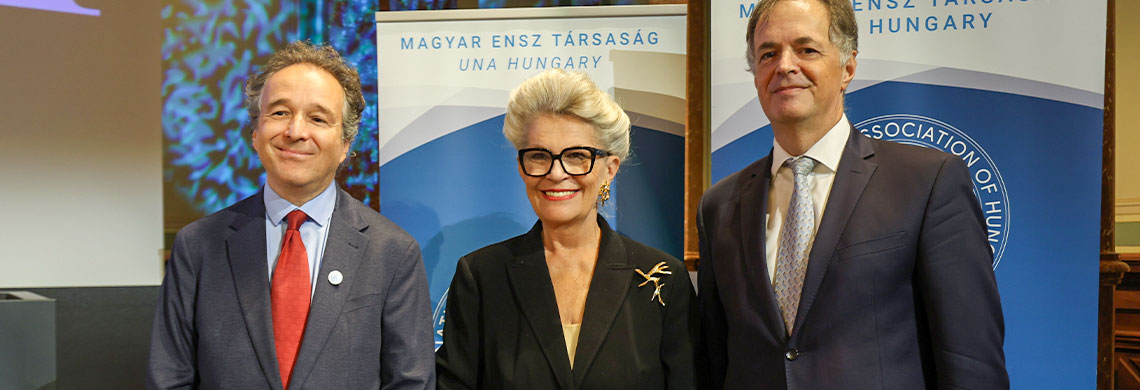
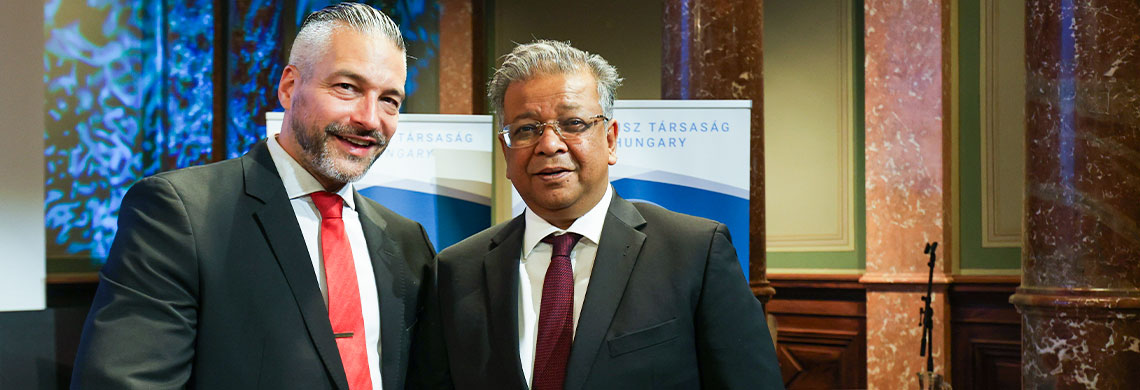
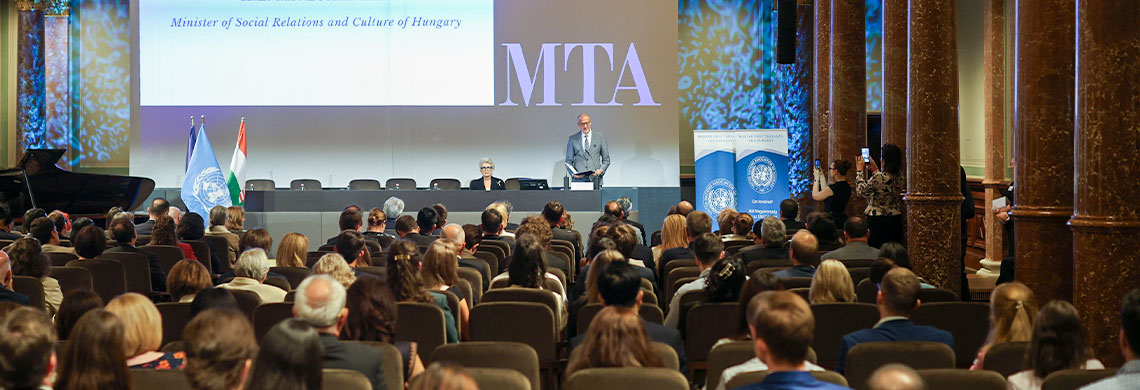
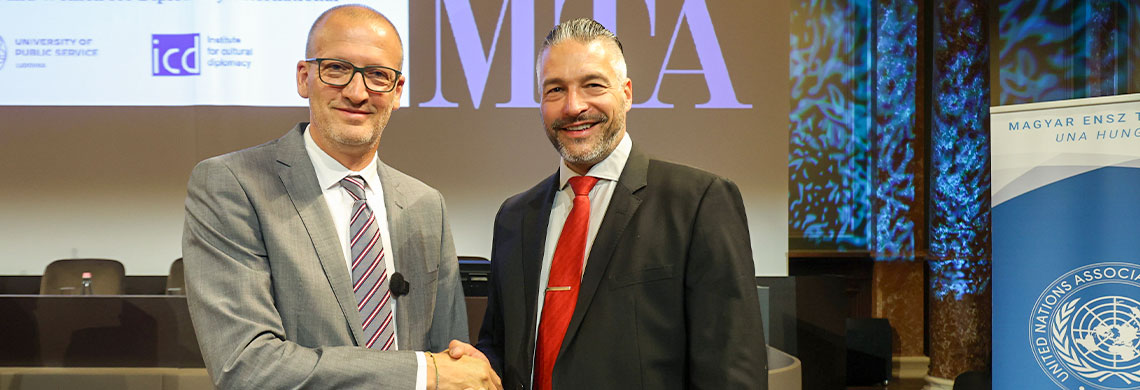
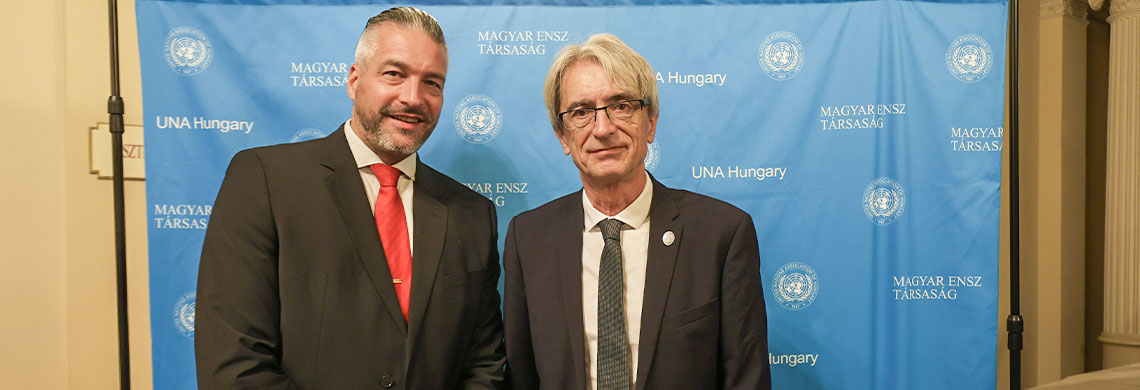
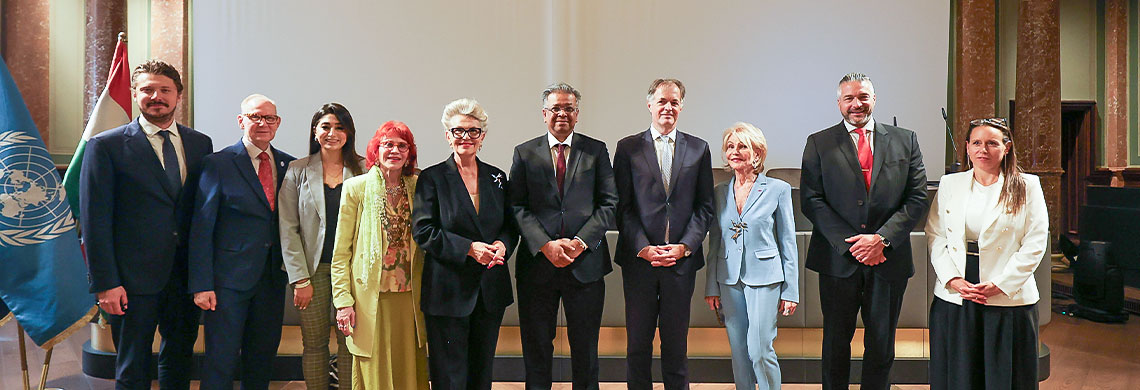
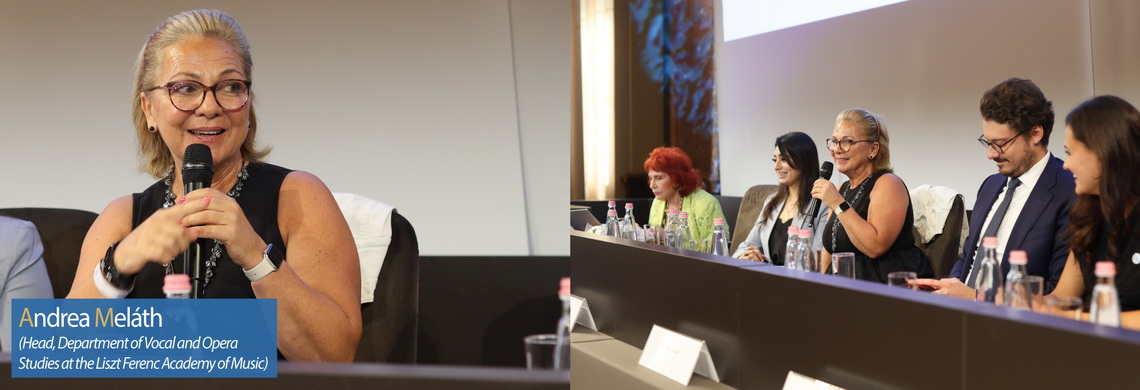
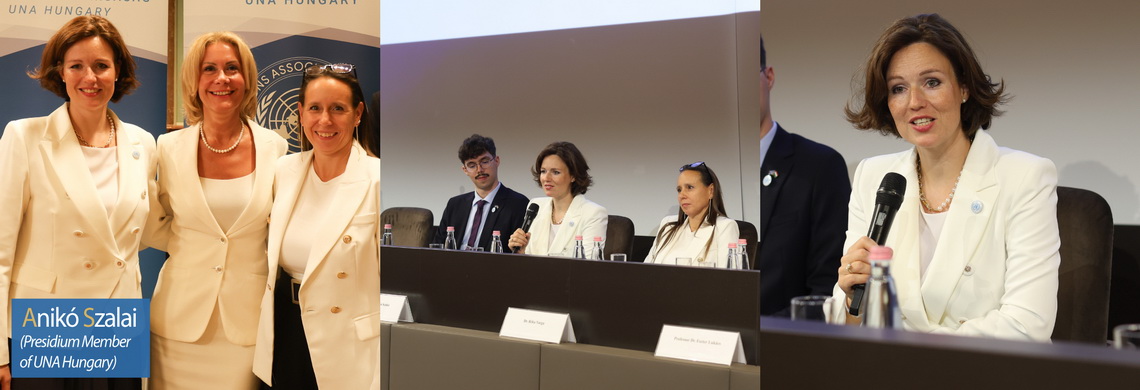
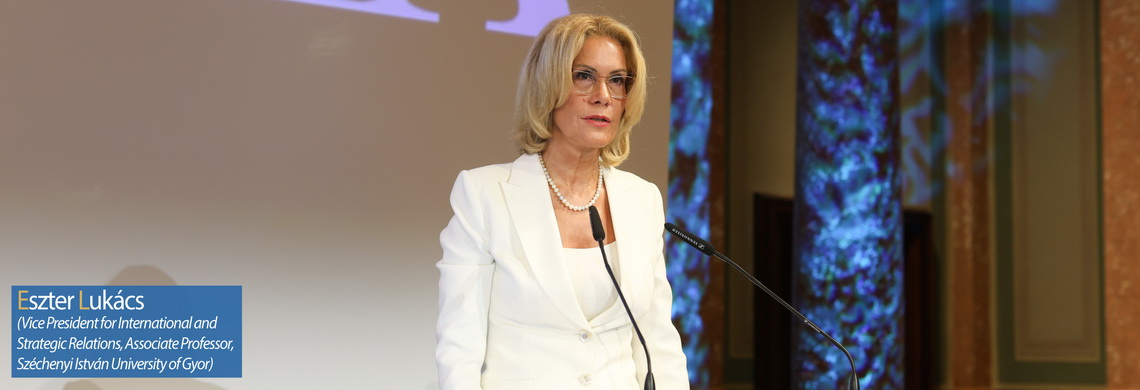
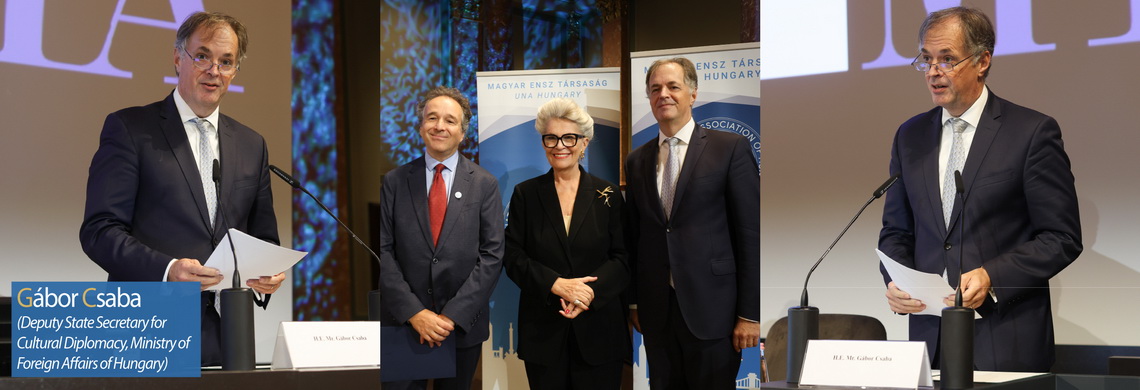
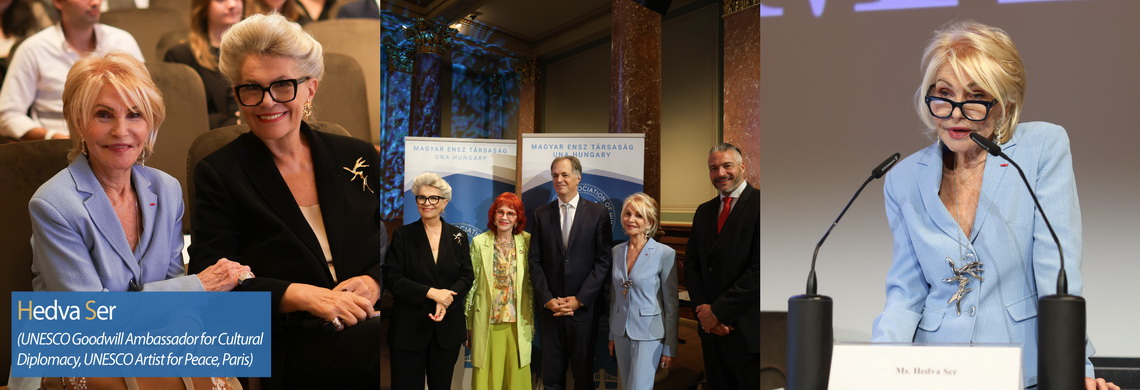
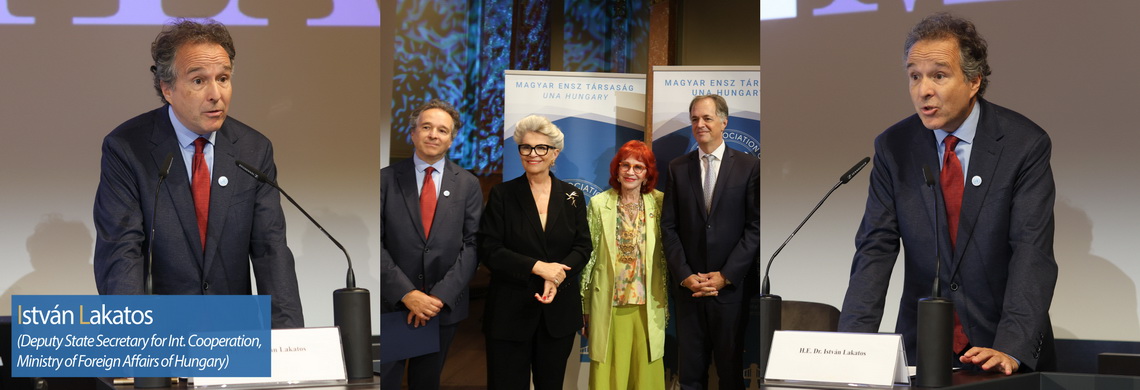
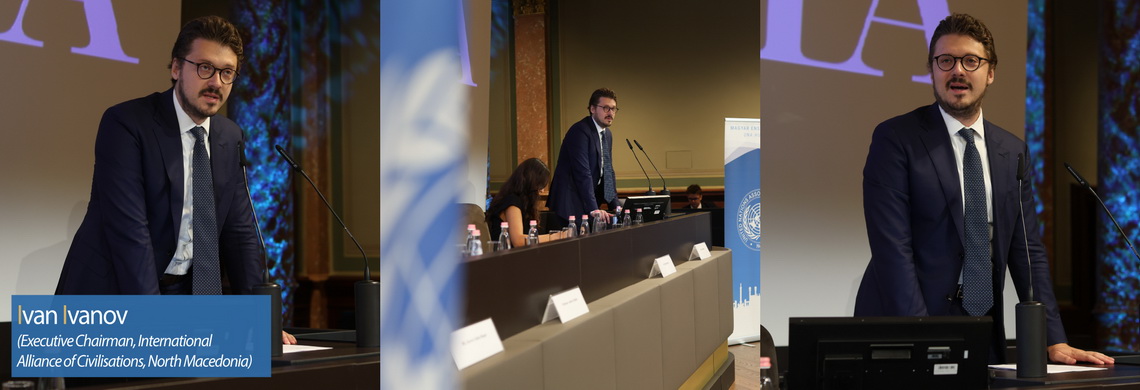
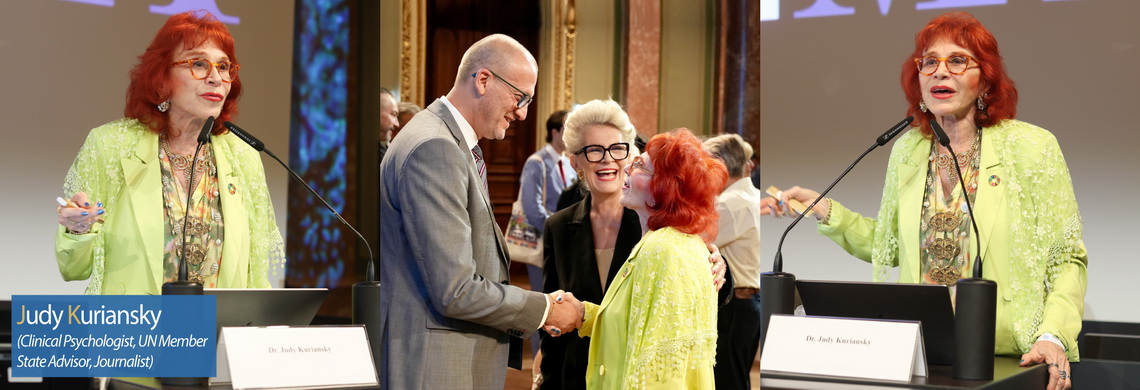
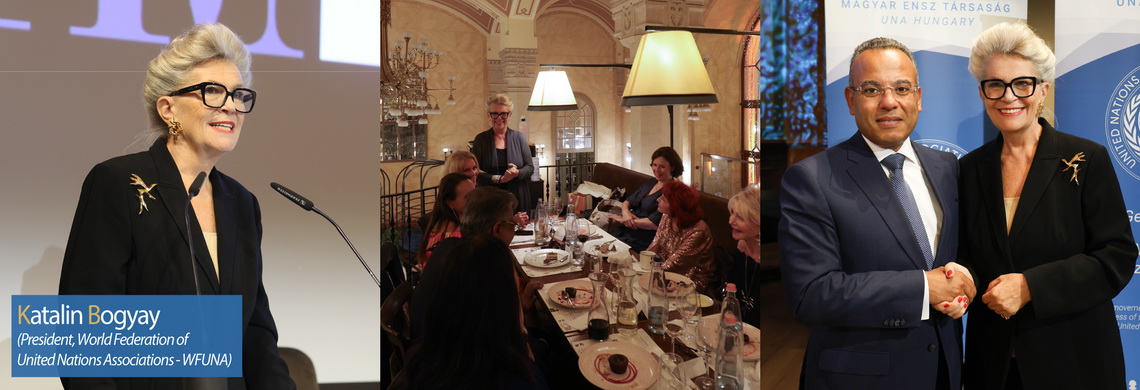
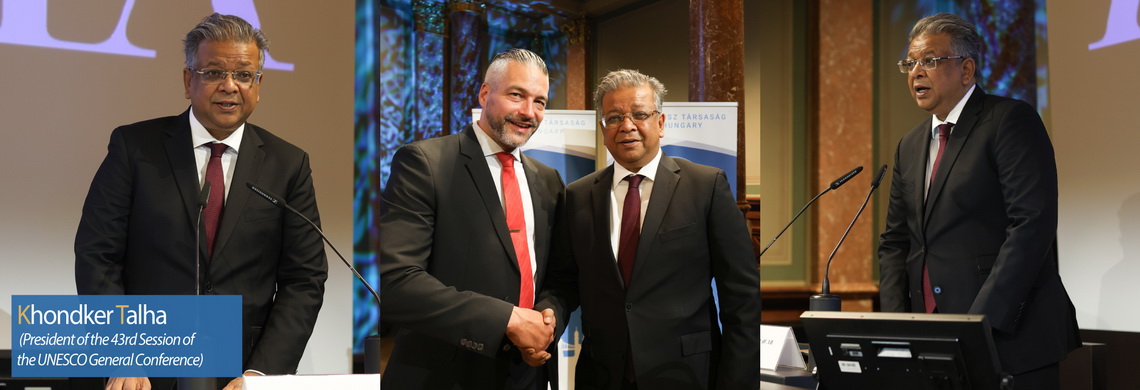
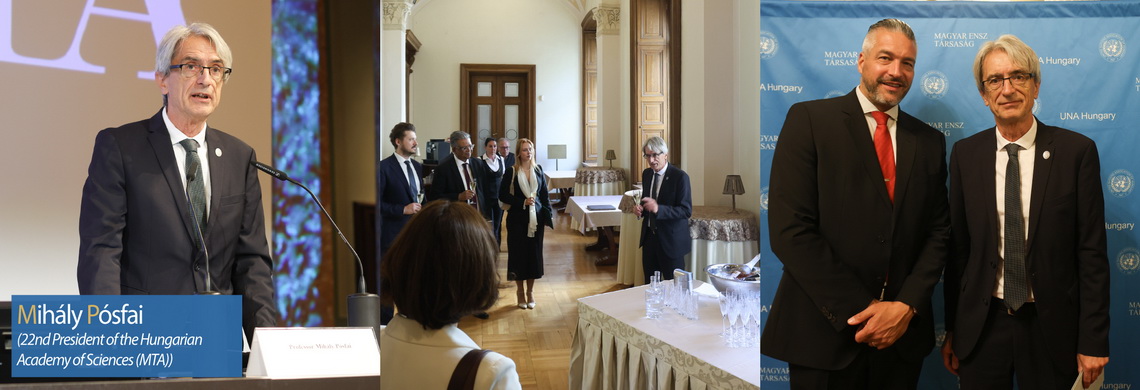
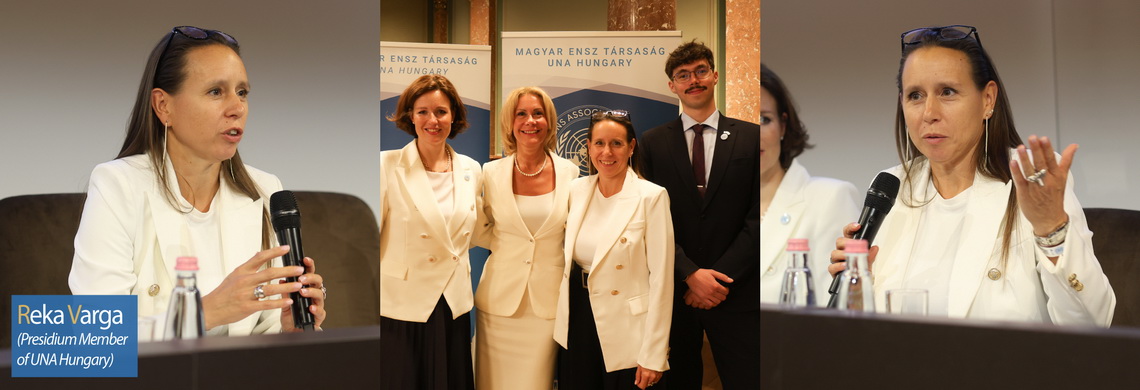
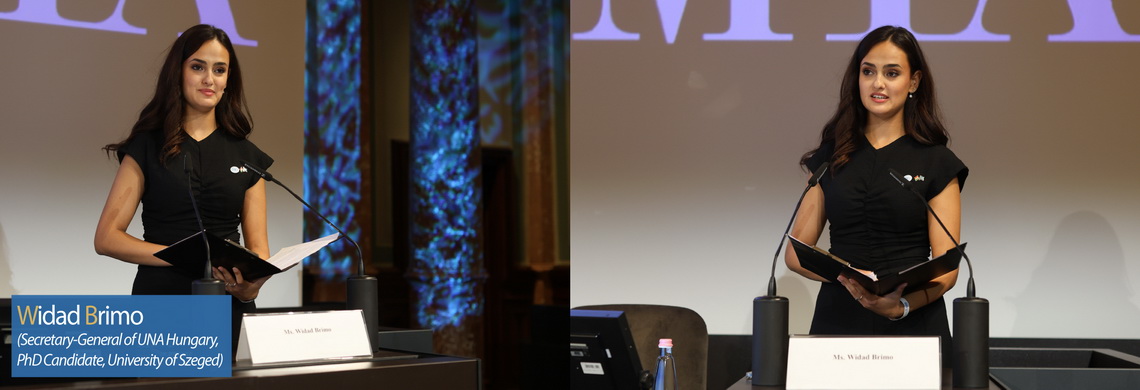
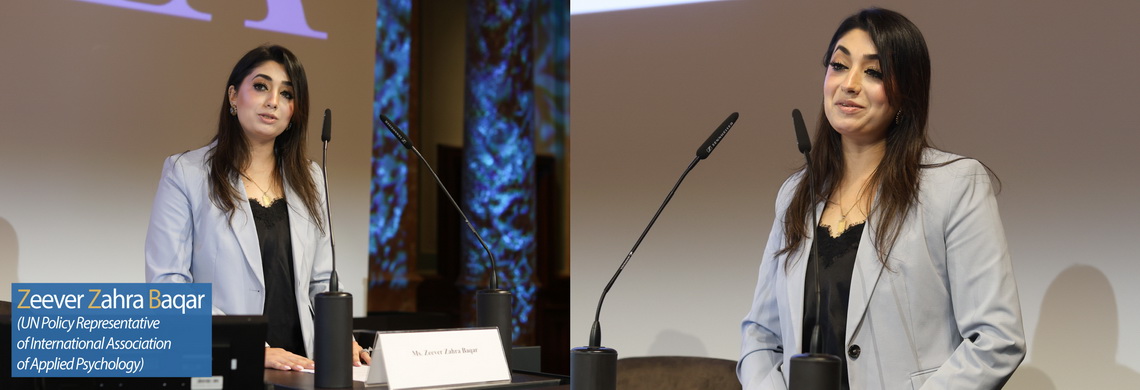
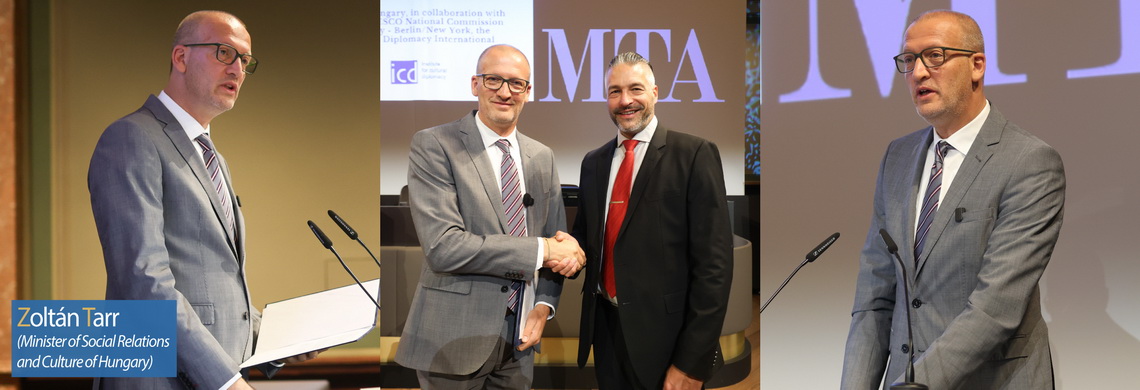
The international conference “UNESCO’s Road for Peace” took place on 7 September 2026 at the Hungarian Academy of Sciences in Budapest, bringing together distinguished diplomats, UNESCO representatives, academics, policymakers, cultural leaders and international experts to explore the foundations of sustainable peace in an increasingly complex world. Organised by the United Nations Association of Hungary in collaboration with the UNESCO National Commission of Hungary, Ludovika University of Public Service, the Institute for Cultural Diplomacy and other leading institutions, the conference marked the United Nations International Day of Peace under the theme “Invest in Peace: For Everyone, Everywhere, Every Day.” Through keynote addresses and high-level discussions, participants examined the importance of international cooperation, cultural diplomacy, education, human rights and intercultural understanding in preventing conflict and strengthening peaceful societies. A central contribution was the address by Mark Donfried, Director of the Institute for Cultural Diplomacy, entitled “The Human Foundations of Peace: From UNESCO’s Vision to the Age of Artificial Intelligence,” which explored the enduring importance of human values, dialogue and cultural understanding in an era of rapid technological transformation.
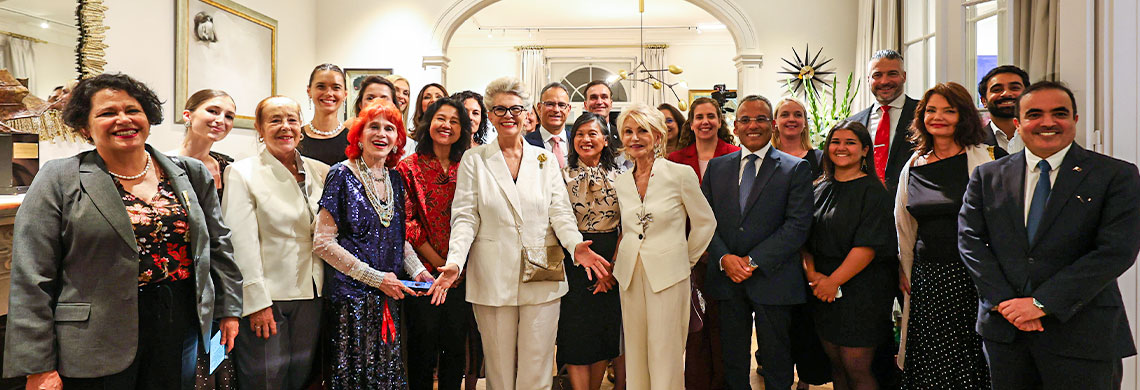
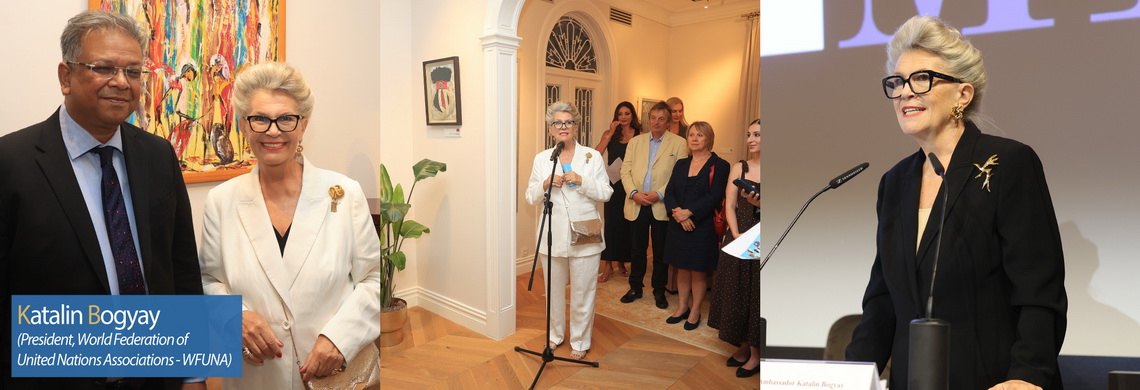
The conference also celebrated the power of culture, music and artistic expression to transcend political divisions and bring nations closer together, drawing inspiration from the universal humanist philosophy of Hungarian composer Béla Bartók. Discussions highlighted the contribution of women, young leaders, international institutions and civil society to building trust and advancing peace through education, creativity and diplomacy. The programme continued with “ART4PEACE – Building Trust Through Intercultural Dialogue,” a special evening gathering at Villa 11 in Budapest featuring ambassadors, artists, writers and poets representing more than twenty countries. Through poetry, music, artistic performances and diplomatic dialogue, the evening demonstrated how cultural diplomacy can create meaningful connections across national, religious and cultural boundaries. Together, the conference and its accompanying cultural programme reaffirmed UNESCO’s founding vision that lasting peace must be built not only through political agreements and international institutions, but also through education, mutual respect, cultural exchange and the shared intellectual and moral foundations of humanity.
